
Hydraulic Power Services 101: What to Know
Hydraulic systems use pressurized fluid to transfer energy and create controlled movement. Pumps move hydraulic fluid through a system, while valves direct flow and actuators convert fluid pressure into mechanical motion. This basic arrangement can power equipment that performs lifting, pressing, steering, clamping, and other demanding tasks.
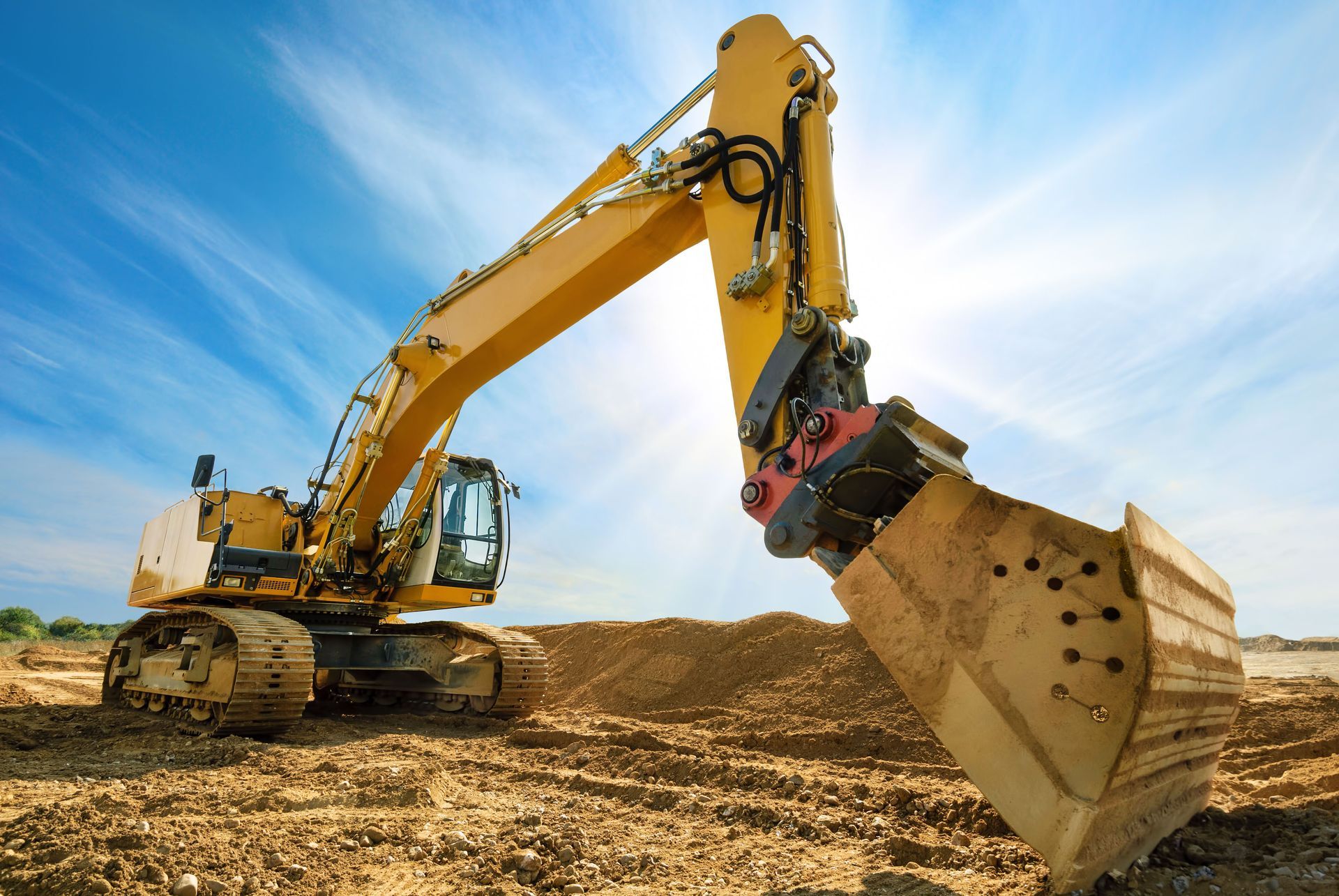
Because hydraulic systems can be designed around specific operating requirements, they appear across many industries. Manufacturing plants may depend on hydraulically powered machinery for production processes, while construction companies can use hydraulic equipment for lifting and material handling. Agriculture, transportation, marine operations, waste management, and municipal work also rely on equipment where dependable fluid power is important.
The value of professional hydraulic power services begins with understanding that every system has its own operating conditions. Pressure requirements, flow rates, temperature, component specifications, workload, and the surrounding environment can all affect performance. A service provider needs to consider those variables rather than treating every hydraulic problem as the same.
Exploring the History of Hydraulic Technology
Hydraulic power has a long history, but its development into modern equipment reflects decades of engineering improvements. According to Brausen, Malcolm Loughead developed the hydraulic brake in 1917. Historical records confirm that Loughead filed a patent application for a braking apparatus on January 22, 1917, and the patent was issued later that year. The original patent describes fluid-operated braking components designed for automobiles. This milestone illustrates how hydraulic principles have been adapted to solve practical mechanical challenges over time.
Recognizing Common Hydraulic Components
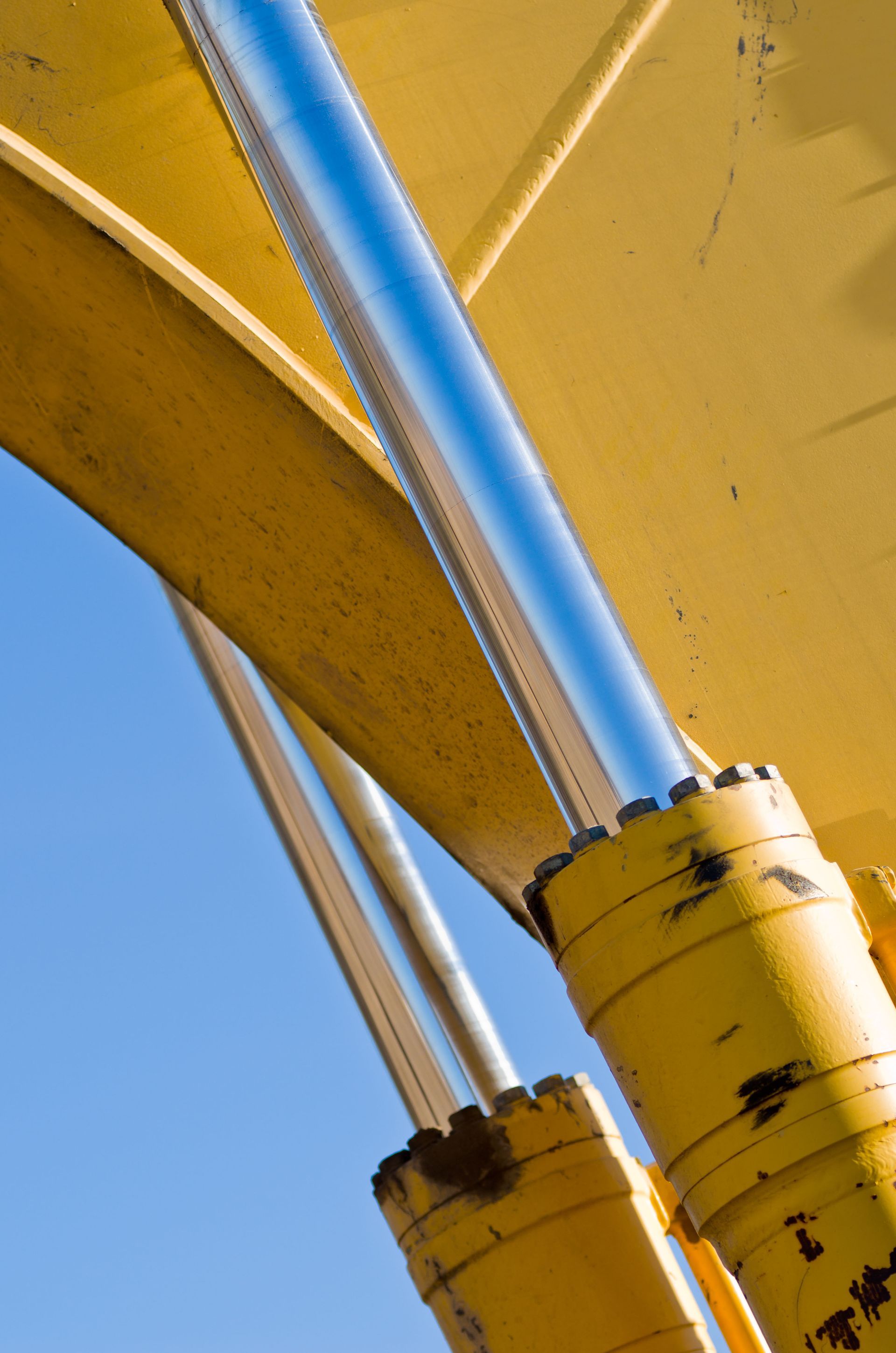
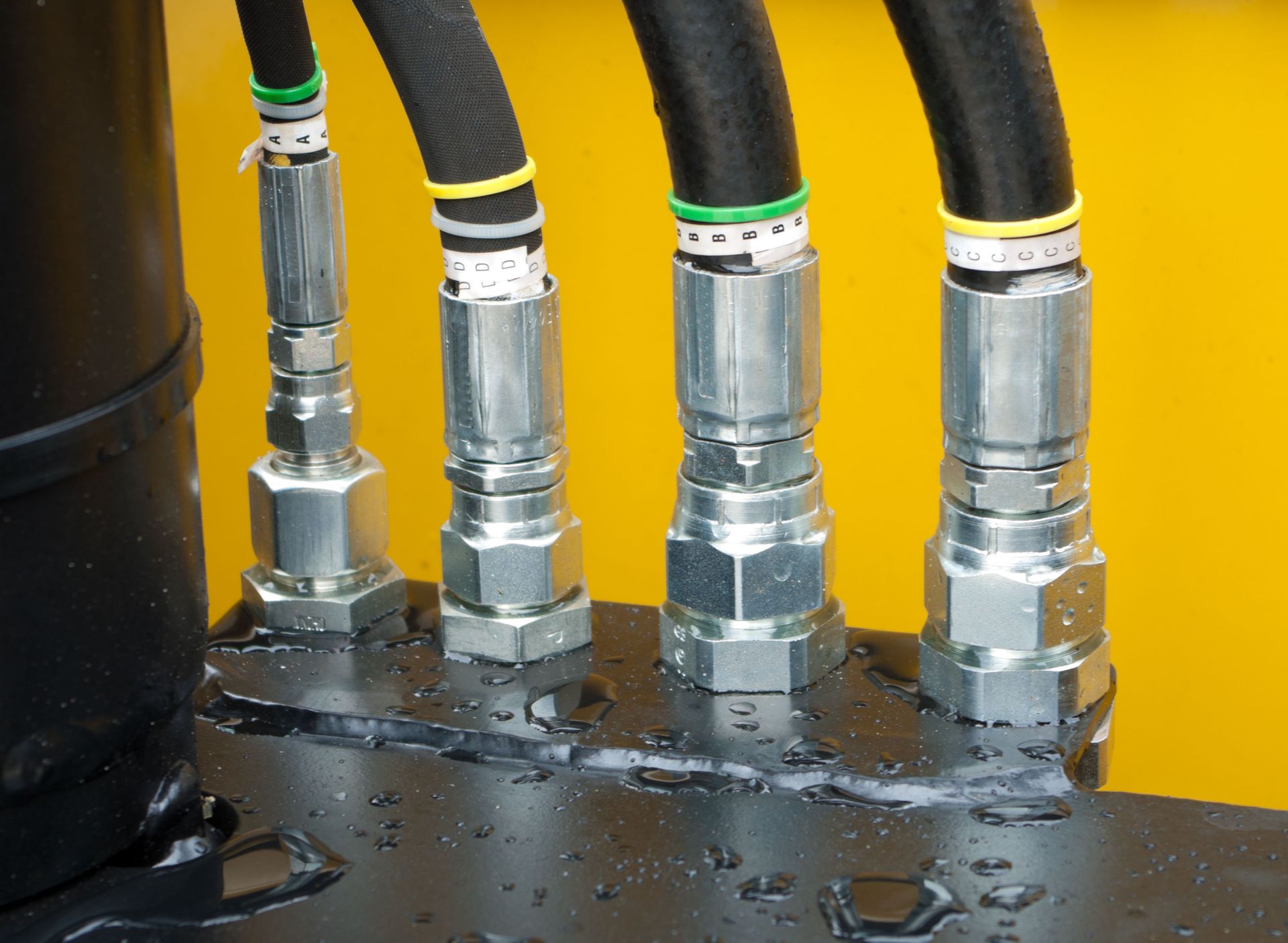
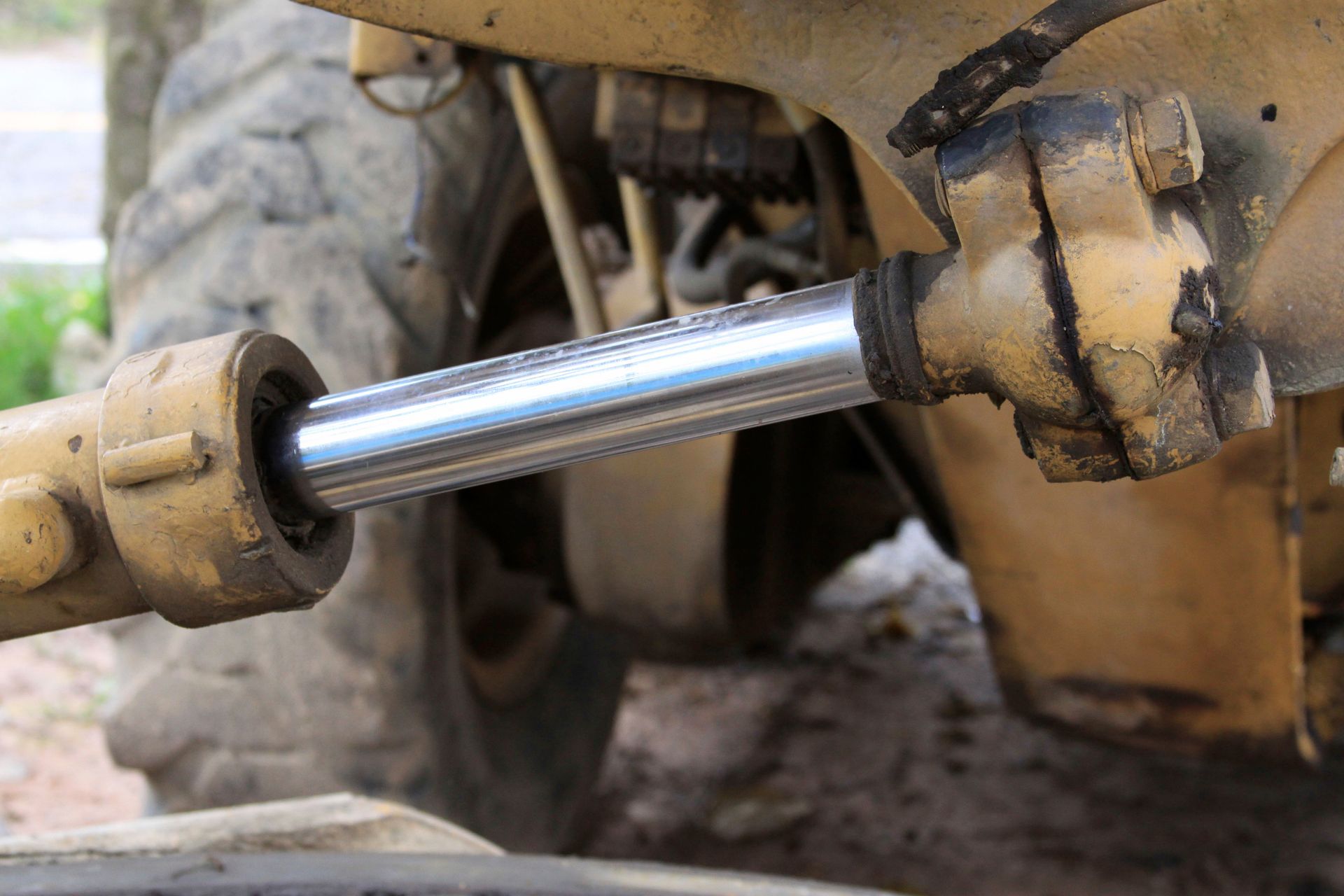
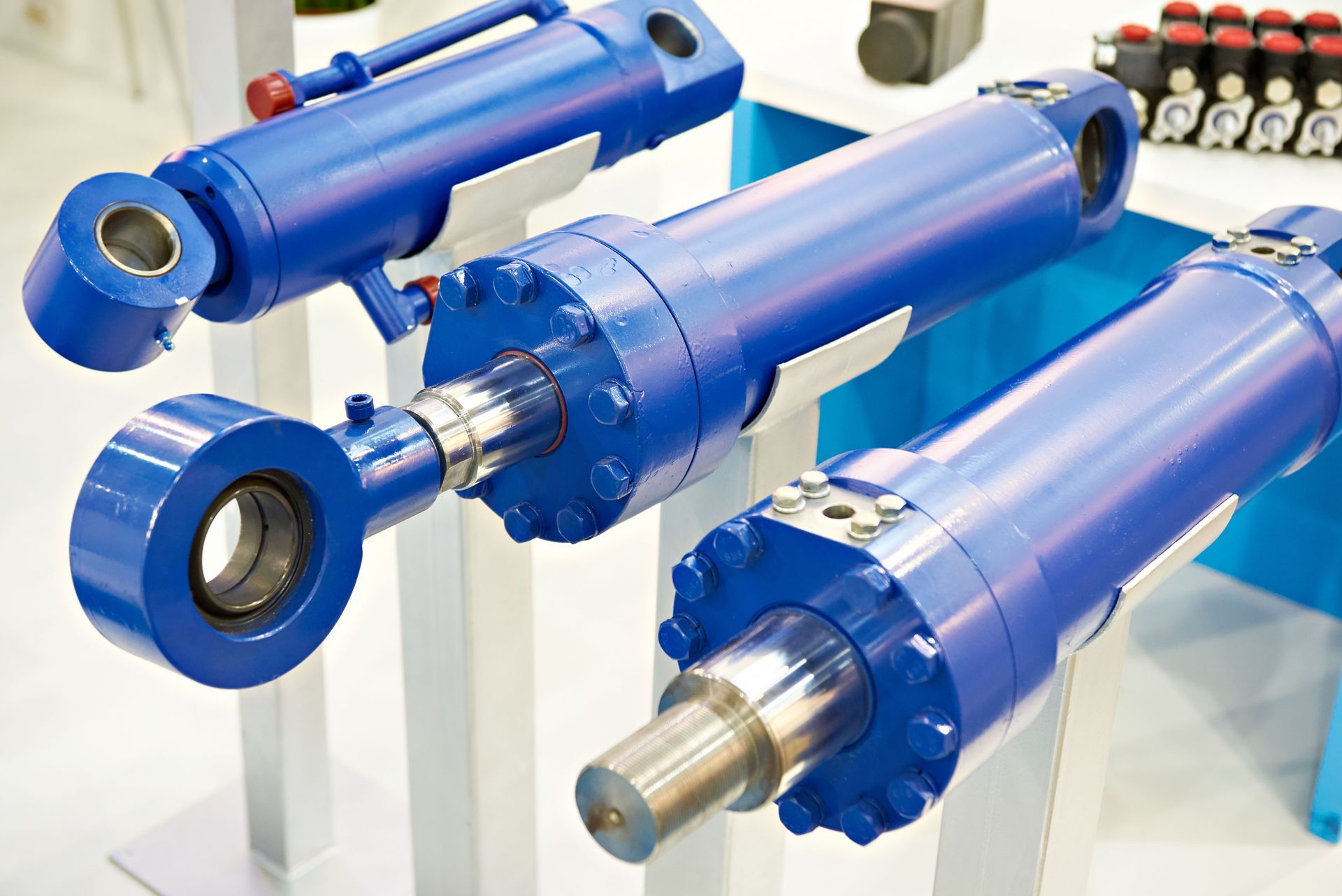
A hydraulic system can contain numerous interconnected components, and each one contributes to the system's overall function. Pumps create fluid movement and pressure. Valves regulate direction, pressure, and flow. Cylinders use hydraulic pressure to produce linear movement, while hydraulic motors convert fluid energy into rotary movement. Hoses, tubes, fittings, reservoirs, filters, seals, and other components help connect and support the system.
Understanding how these components interact is important when evaluating system performance. A problem that appears to involve one component can sometimes originate elsewhere. For example, inconsistent movement may involve pressure, flow, contamination, a damaged seal, or another underlying issue. Professional hydraulic power services account for the relationship between individual components and the larger system.
Maintaining Hydraulic System Performance
Maintenance is one of the most important parts of protecting hydraulic equipment. Routine inspections can help identify wear, leaks, damaged components, contamination, or other conditions before they contribute to an unexpected shutdown. Maintenance schedules can also be organized around operating demands, production cycles, and the availability of equipment.
Preventive maintenance does more than address visible problems. A structured program can include system inspections, testing, component evaluation, fluid management, and documentation. When service is planned appropriately, businesses can better anticipate maintenance needs and reduce the disruption associated with unplanned equipment failures.
Evaluating Repair and Troubleshooting Needs
Hydraulic problems can develop in many forms. A machine may move more slowly than expected, lose pressure, produce unusual noise, develop a leak, or stop operating altogether. These symptoms can have several possible causes, which is why professional evaluation is valuable.
Technicians may inspect pumps, cylinders, valves, motors, hoses, fittings, and related components while assessing the system as a whole. Testing and troubleshooting can help identify the source of a problem and determine whether a component should be repaired, rebuilt, replaced, or adjusted.
Designing Hydraulic Power Solutions
Not every hydraulic application can be served by an off-the-shelf configuration. Some facilities need a power unit or system designed around specific pressure, flow, space, control, and performance requirements. Custom system design can help align hydraulic equipment with the way a business actually operates.
A well-planned system considers more than the power source alone, which is why hydraulic power services should account for the complete application. Engineers and technicians may evaluate component compatibility, operating conditions, safety considerations, available space, maintenance access, and future service requirements. These factors can help create a system that is practical to operate and maintain.
Custom hydraulic power units are one example of this approach. A power unit can be configured to support a particular application rather than forcing an existing setup to fit an unsuitable operating environment. Professional hydraulic power services can include design support for new systems as well as modifications to existing equipment.
Responding to Mobile Hydraulic Needs
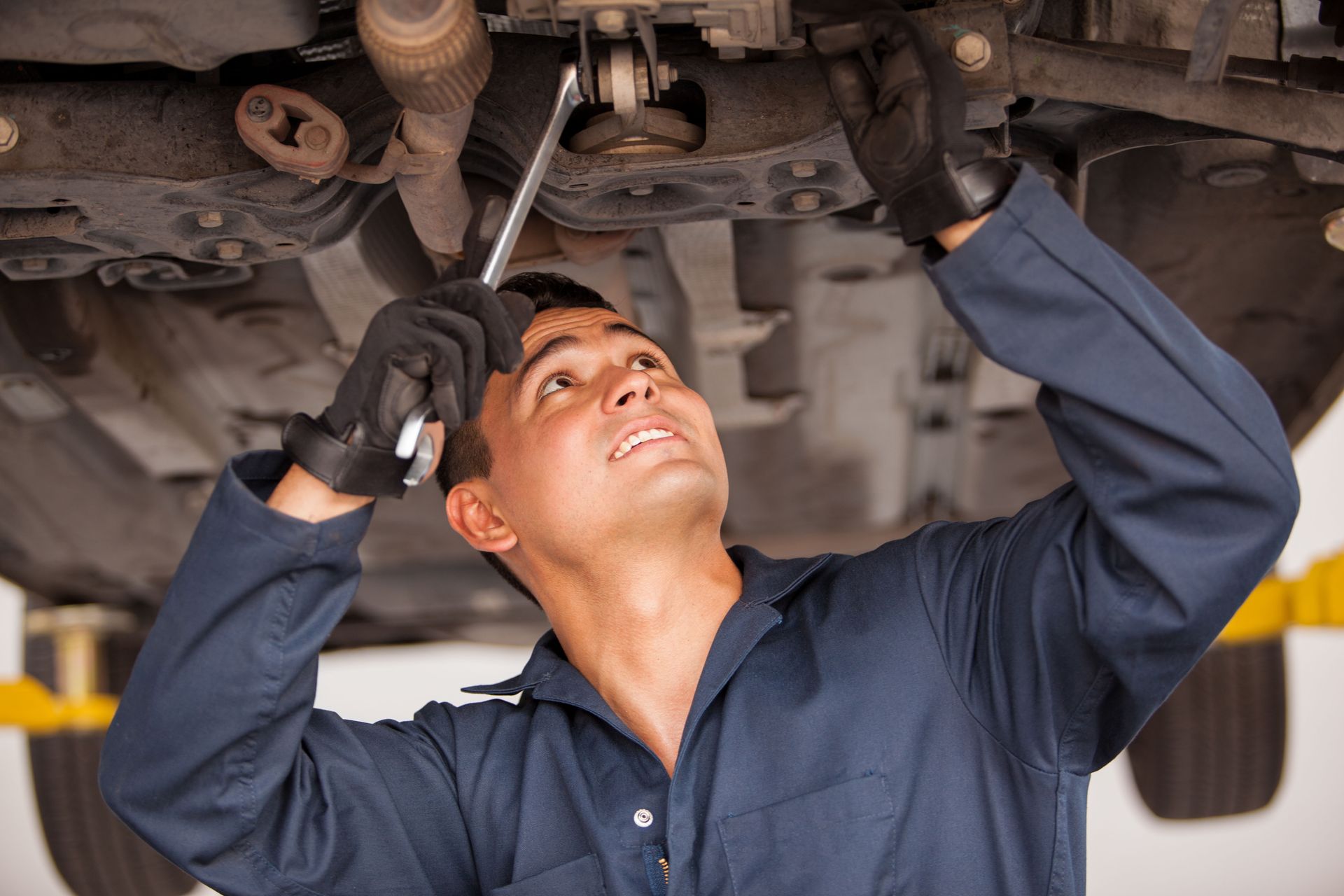
When a hydraulic system fails at a job site or production facility, transporting large equipment to a repair shop may not be practical. Mobile service can bring technicians, diagnostic equipment, tools, and replacement components to the location where the problem occurs.
Emergency response is another consideration. Hydraulic failures do not always happen during convenient business hours. Having access to around-the-clock emergency support can help businesses respond when an unexpected problem interrupts operations. The goal is not simply to restore movement temporarily but to identify the issue and determine the appropriate path toward dependable operation.
Selecting Professional Hydraulic Support
Choosing a hydraulic service provider involves more than looking for someone who can replace a damaged component. Businesses should consider experience, equipment, diagnostic capabilities, parts availability, repair capacity, mobile support, and communication. A provider that can address multiple aspects of a hydraulic system may simplify coordination when a complex issue occurs.
A provider's ability to support both scheduled maintenance and unexpected repairs can also contribute to continuity. Professional hydraulic power services may encompass system design, preventative maintenance, cylinder repair, mobile troubleshooting, custom hoses and tubes, component rebuilding, and specialty fabrication. Having these capabilities available through one service relationship can make it easier for businesses to manage their hydraulic equipment over time.
Planning for Long-Term Reliability
Hydraulic equipment represents an important investment for many businesses, so long-term planning matters. Maintenance records, inspection findings, repair histories, and component information can help teams recognize recurring issues and make informed service decisions.
Professional hydraulic power services can support this long-term approach by combining maintenance, repairs, troubleshooting, and system planning. Instead of treating each service call as an isolated event, businesses can use recurring evaluations to understand equipment condition and plan for future needs.
Clear records can also make recurring service easier to coordinate, particularly when multiple machines, shifts, or facilities depend on related hydraulic equipment and consistent maintenance schedules.
Supporting Hydraulic Operations in Connecticut and Beyond
For businesses in Connecticut and nearby states, access to responsive hydraulic support can be particularly valuable when equipment operates on active job sites, in manufacturing facilities, or in other demanding environments. A local provider with mobile capabilities can reduce the logistical challenges associated with moving heavy equipment or waiting for specialized assistance.
Devine Hydraulics, Inc has served customers since 1983 and provides hydraulic power units, components, cylinder repairs, mobile repairs, system maintenance, system design, custom tubes and hoses, and specialty services. The company is based in Uncasville, Connecticut, serves customers throughout Connecticut and surrounding states, and offers 24/7 emergency services. Its website also notes free phone consultations and estimates and a one-year warranty covering parts, labor, and workmanship.
Reliable support also includes clear communication and helps teams plan around critical production periods. Businesses benefit when technicians explain findings, discuss available repair paths, and provide estimates before work proceeds when practical. That communication can help maintenance managers coordinate schedules, production demands, and equipment availability without unnecessary surprises.
For businesses planning maintenance, addressing a system issue, or evaluating a new hydraulic application, professional hydraulic power services can help keep equipment operating reliably. Learning how hydraulic systems function and recognizing the range of services available makes it easier to have productive conversations with qualified technicians and plan support around operational needs.

Share On: