

5 Most Common Causes of Hydraulic Cylinder Failure
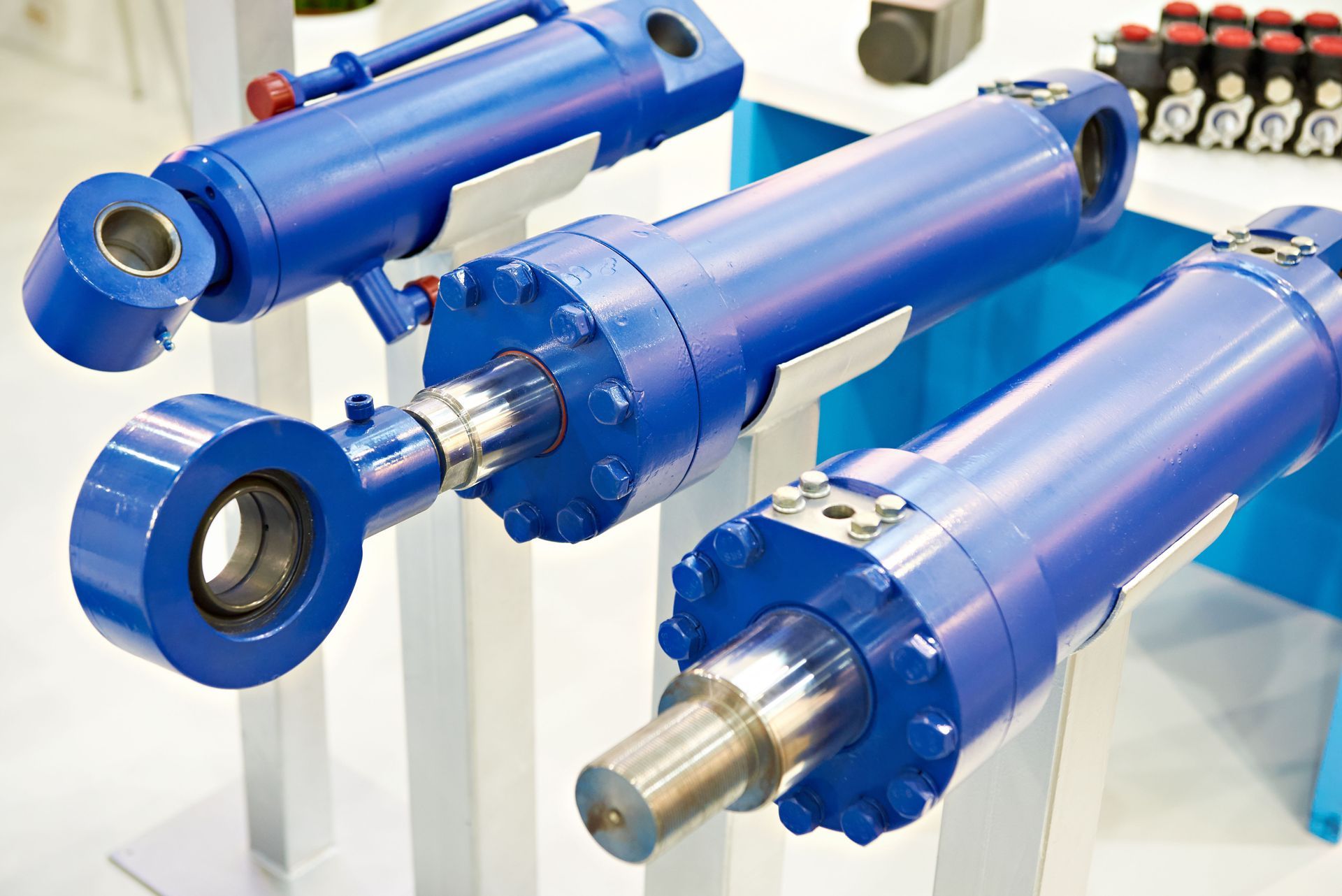
Hydraulic cylinders are indispensable components in multiple industries, including construction, manufacturing, and mining. They convert fluid power into linear mechanical force and motion. Understanding the causes of hydraulic cylinder failure is crucial for maintaining system efficiency and reliability. Unexpected failures can lead to significant downtime and financial loss. Thus, ensuring the longevity of hydraulic cylinders through proactive hydraulic repair service is essential for optimal operations.
Proper maintenance and continuous operational oversight play a massive role in extending the usable life of heavy fluid power machinery. By identifying early warning indicators such as fluid leaks, unusual operating noises, or erratic pressure drops, equipment operators can address minor mechanical issues before they escalate into complete system breakdowns. Implementing structured inspection protocols and utilizing professional service teams minimizes unexpected operational halts, protects costly capital investments, and ensures consistent performance across demanding workplace applications.
Contaminating Hydraulic Fluid
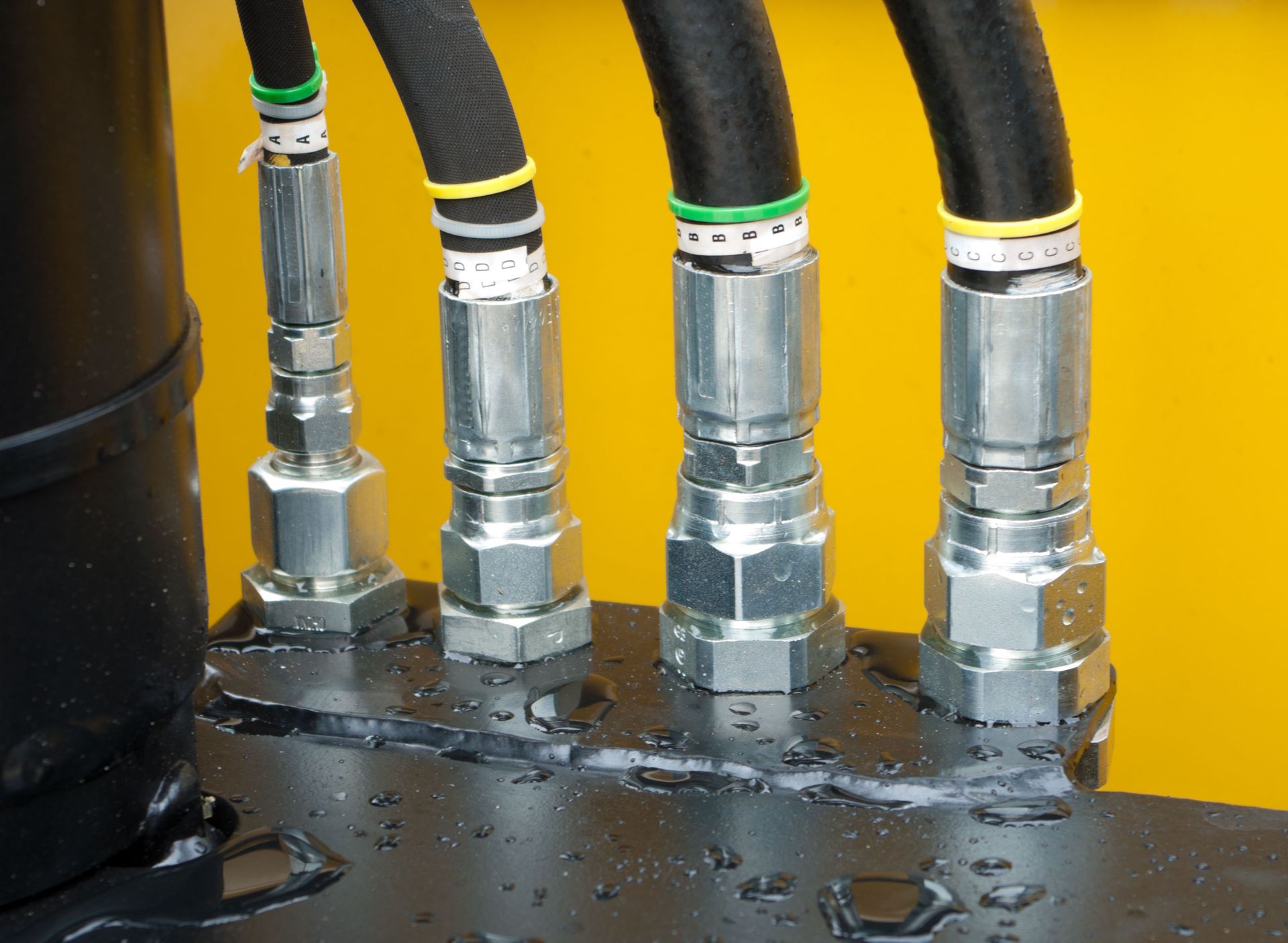
Contamination of hydraulic fluid is a leading cause of cylinder failure, originating from metallic particles, dust, and water ingress. According to Mining Technology, a typical hydraulic cylinder has a lifespan of about 5,000 hours, but this can be drastically reduced by fluid contamination. Ensuring clean hydraulic fluid through regular hydraulic repair service is paramount for longevity. When particulate matter enters the fluid stream, it acts as an abrasive medium that rapidly degrades internal metal surfaces, valves, and precision-machined piston rods.
Contaminants lead to abrasion and clogging, affecting sensitive components like seals and valves and resulting in increased wear and operational friction. Techniques such as fluid sampling and analysis help identify contaminants early, while implementing rigorous filtration systems serves as an effective preventive measure. Regular maintenance and fluid replacement schedules further ensure fluid cleanliness. Additionally, water contamination causes fluid oxidation and severe lubrication breakdown, leading to accelerated rust formation and interior pitting along the inner cylinder walls.
Preventive measures include using high-quality seals and maintaining appropriate storage conditions for spare fluid reserves. Filtration systems should be checked and replaced periodically, and training personnel on proper maintenance practices can prevent contamination. Utilizing enhanced off-line filtration loops, often referred to as kidney loops, can continually polish the fluid during active operations. Ultimately, diligent maintenance practices are crucial for avoiding contamination-related failures and ensuring consistent hydraulic performance across all heavy equipment systems.
Failing Components and Seals
Seal failure is another prevalent cause of hydraulic cylinder issues, as seals are crucial for maintaining fluid pressure and preventing leaks. Materials such as rubber, polyurethane, and PTFE are used in seal production, each offering specific advantages for different operating environments. Selecting the correct seal material contributes significantly to overall durability. When seals fail, fluid bypasses the piston head, leading to significant pressure loss, sluggish mechanical operation, and complete thermal degradation of internal components.
Seal wear is often due to high pressure, temperature extremes, and abrasive environments, while foreign particles in hydraulic fluid accelerate this wear. Early detection of seal failures is possible through regular inspections, visual assessments, and pressure testing. Implementing routine checks can avert catastrophic failures before they require extensive hydraulic repair service. Over time, extreme pressure spikes cause seal hardening, cracking, or erosion, which undermines the hermetic barrier necessary for optimal mechanical force generation.
Utilizing advanced seal technologies with enhanced endurance and temperature resistance can extend seal lifespan under harsh conditions. Designing cylinders to accommodate specific environmental conditions reduces wear, while investing in quality seal materials prevents premature failure. Creating comprehensive maintenance protocols ensures seals operate efficiently, prolonging equipment life and enhancing performance. Scheduled replacement of static and dynamic seals during routine servicing prevents minor leaks from escalating into severe operational disruptions.
Experiencing Unaligned Side Loading
Side loading occurs when a force is applied laterally, adversely affecting the hydraulic cylinder due to misalignment or manufacturing defects. Side loading distorts and prematurely wears out cylinder components, reducing operational efficiency and potentially leading to immediate failure. Understanding the mechanics of side loading is crucial for designing appropriate solutions. When unequal lateral forces press against the rod, the internal bearing surfaces sustain immense localized friction, leading to severe structural scoring.
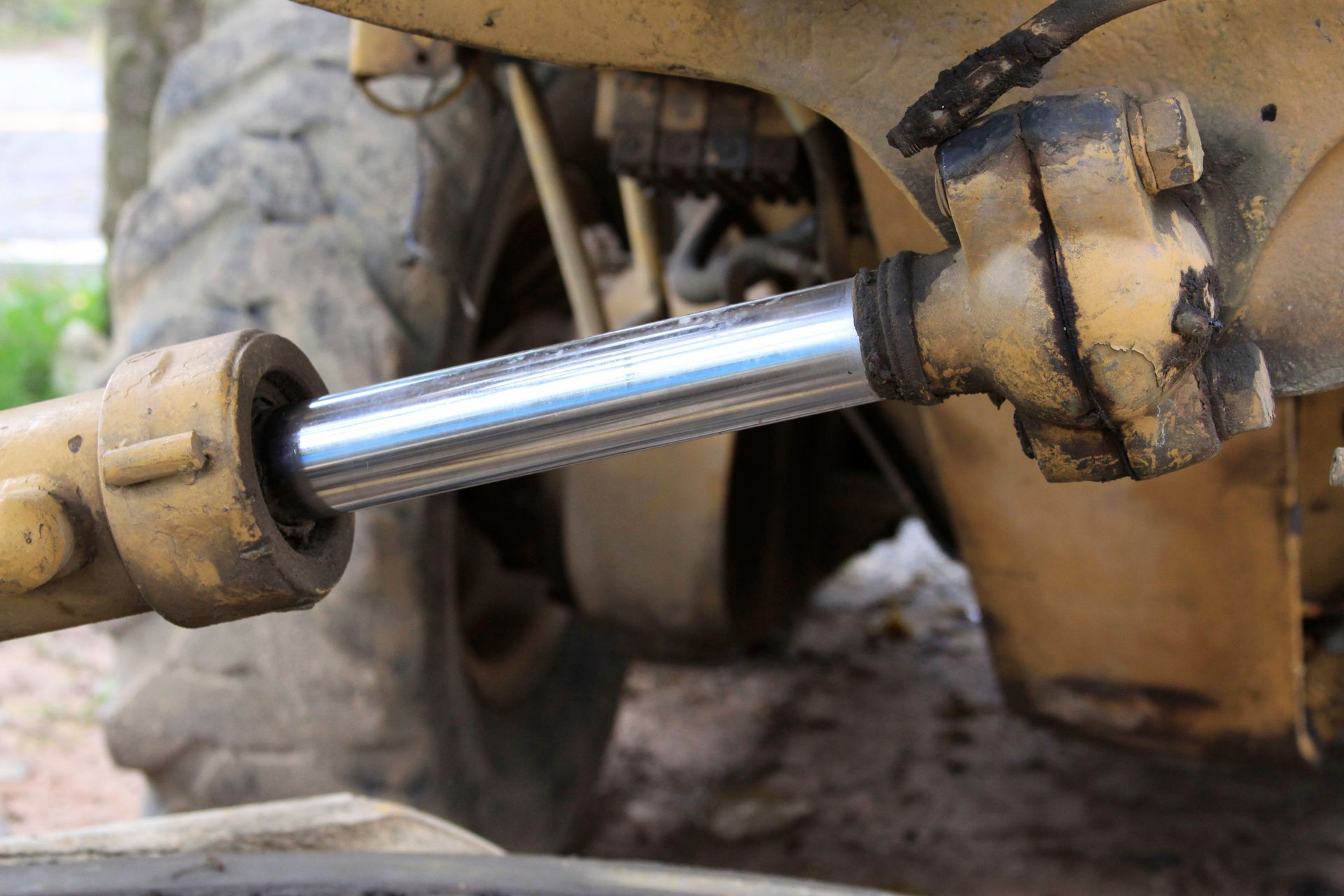
The consequences of persistent side loading include uneven wear, seal damage, and rod bending, which adversely impact system reliability over time. Design adjustments, such as incorporating guides and support structures, mitigate these effects, while advanced monitoring systems detect side loading early. Prompt intervention based on monitoring data prevents severe equipment damage. Bent piston rods destroy gland bushings and wipe seals, rendering the entire assembly incapable of holding internal pressure or executing linear motion.
Proper design considerations tailored to application requirements can arrest side loading in heavy industries. Regular training for operators to identify and rectify misalignment before full-scale failure occurs is highly beneficial. Leveraging technology for continuous monitoring improves reliability and enhances long-term hydraulic performance. Installing spherical bearings, mounts, or clevis attachments allows the cylinder to naturally align with the load path, dramatically reducing lateral strain during heavy cycles.
Corroding Structural Materials
Corrosion is a common cause of hydraulic cylinder failure, particularly in harsh environments where it manifests as rust, pitting, and galvanic corrosion. Environmental elements like humidity, salinity, and extreme temperatures exacerbate corrosion, compromising both external surfaces and internal components. Professional hydraulic repair service often addresses corrosion damage to restore operational efficiency. Moisture exposure attacks exposed metal surfaces, creating micro-pitting that strips away protective plating and weakens the cylinder structure.
Applying protective paints and coatings safeguards against environmental damage, while employing materials like stainless steel or aluminum alloys provides long-term resistance. Regular maintenance practices, such as cleaning and drying equipment, help protect against environmental degradation. Industry innovations continue to improve methods of combating corrosion through environmentally friendly coatings. When rust flaking occurs on the piston rod, it acts like sandpaper, destroying wiper seals with every stroke and allowing external dirt inside.
Long-term solutions include custom-designed cylinders built for specific harsh environments, such as offshore marine operations or chemical processing facilities. Employees should be trained to conduct routine corrosion checks to catch surface degradation early. Implementing these preventive strategies ensures the longevity and reliability of industrial hydraulic systems. Specialized surface treatments like laser cladding, chrome plating, and ceramic coatings offer superior barriers against aggressive chemical oxidation and saltwater environments.
Overloading and Stressing Systems
Hydraulic cylinders often encounter overload conditions, leading to stress-related failures caused by excessive force, pressure, or operating beyond design limits. Persistent overload results in material fatigue, mechanical degradation, and a drastically reduced lifespan. Stress analysis and testing can help determine system resilience before failure occurs. Operating beyond designated tonnage parameters subjects internal tie rods, barrel walls, and end caps to dangerous levels of structural tension.
Failure to avoid overload conditions can have dire consequences, including catastrophic breakdowns during operations. Utilizing high-capacity cylinders accommodates increased loads, while incorporating safety margins during design ensures overall system robustness. Operator training programs are vital for establishing awareness of system limitations and overload signs. Severe pressure spikes can bulge the cylinder barrel, allowing fluid to blow past the piston seal and causing immediate loss of hold capacity.
Continual monitoring and recalibration of system loads prevent overload and reduce stress effects. Innovations in cylinder design and material selection further bolster load capacity and withstand operational strain. Timely intervention and regular hydraulic repair service keep equipment performing at peak efficiency. Installing inline pressure relief valves serves as a critical defense mechanism by safely bypassing excessive hydraulic pressure before structural deformation occurs. For more information about the services that we offer, reach out to our incredible team at Devine Hydraulics, Inc today!
Share On: