

4 Things You May Not Know About Hydraulic Power
Hydraulic power is often a silent force at work in modern engineering, responsible for a wide array of applications that impact our daily lives. Despite its ubiquitous presence, the intricate workings of hydraulic systems are frequently overlooked. Engineers and scientists continually innovate within this field, pushing the boundaries of what's possible. As we delve into the depths of hydraulic power, we'll explore its rich history, the fundamental physics that govern it, its various applications today, and the challenges it faces. This comprehensive examination will unveil not only hydraulic power's hidden complexities but also its vast potential to shape the future.
1. The Physics Behind Hydraulic Systems
The functioning of hydraulic systems is largely based on Pascal's Law, which states that pressure applied to a confined fluid is transmitted equally in all directions. This principle allows hydraulics to multiply forces, enabling machines to perform tasks requiring massive power inputs. For example, hydraulic boom lifts can safely elevate workers to towering heights, with some models reaching up to 100 feet according to OSHA. Understanding and applying Pascal's Law is fundamental for engineers designing hydraulic systems capable of handling heavy loads. Without this principle, the efficiency and versatility inherent in hydraulic technology would be unattainable.
Fluid dynamics plays a crucial role in the operation and efficiency of hydraulic systems. By studying the flow and behavior of fluids, engineers can optimize the design of components such as pumps, valves, and cylinders. Controlling fluid velocity and pressure is essential to ensure precision and reliability in hydraulic machinery. Advances in computational fluid dynamics have enabled detailed modeling of hydraulic systems, leading to improved performance and reduced energy consumption. Such technological enhancements are key to maintaining hydraulic power's relevance in modern engineering.
At the heart of hydraulics are the principles of pressure, flow, and force. Hydraulic systems convert energy from fluid under pressure into mechanical work, allowing powerful operations with relatively small input forces. By adjusting variables like fluid viscosity and flow rate, engineers can fine-tune the performance of hydraulic machinery. Mastery of these principles is essential for anyone involved in designing or working with hydraulic systems, emphasizing the critical role of hydraulics in scientific and engineering study.
2. Modern Applications of Hydraulic Power
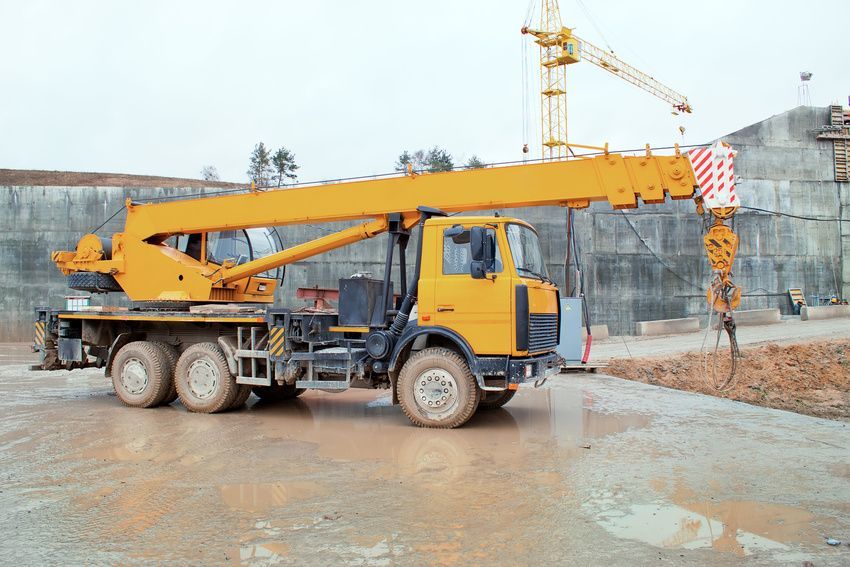
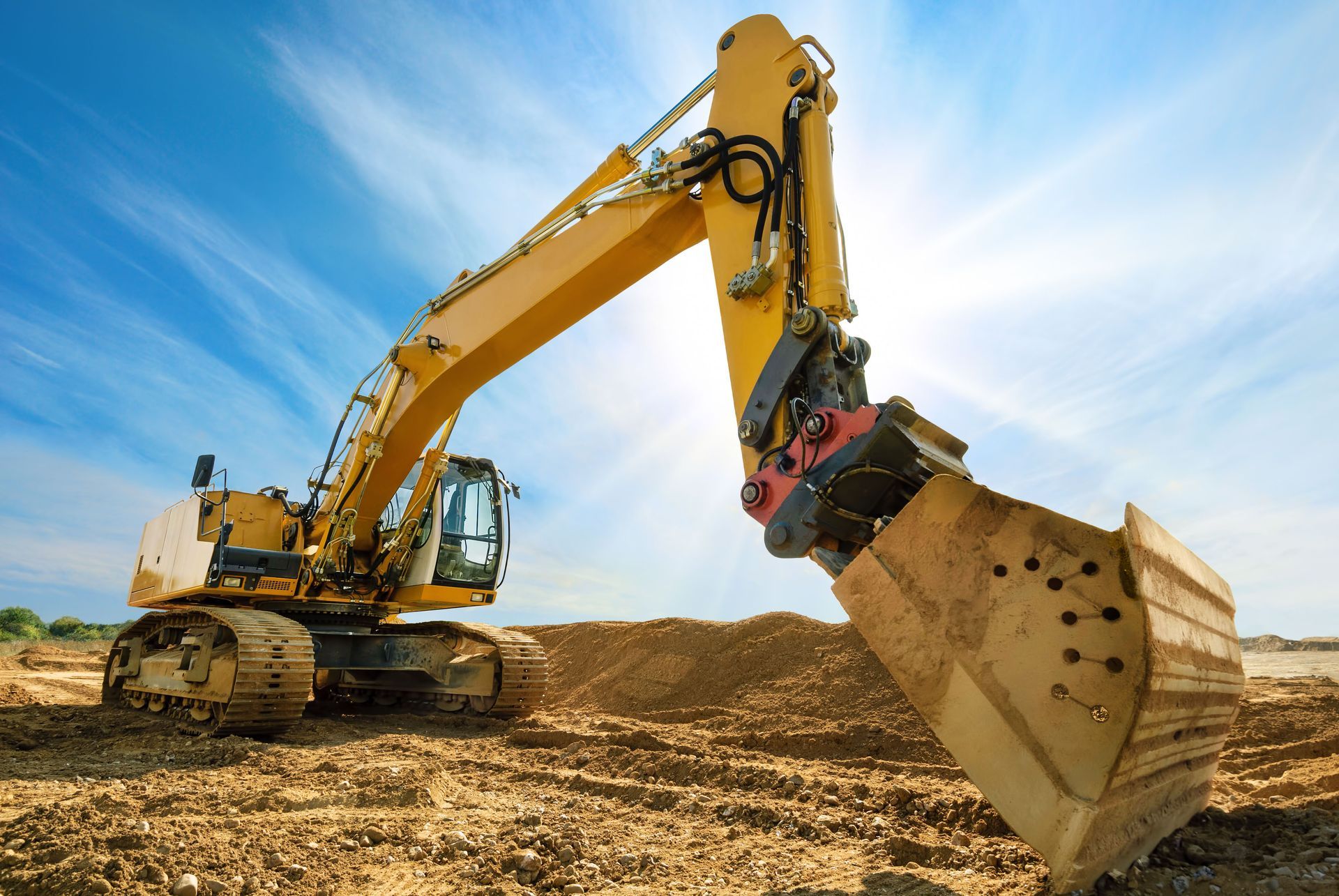
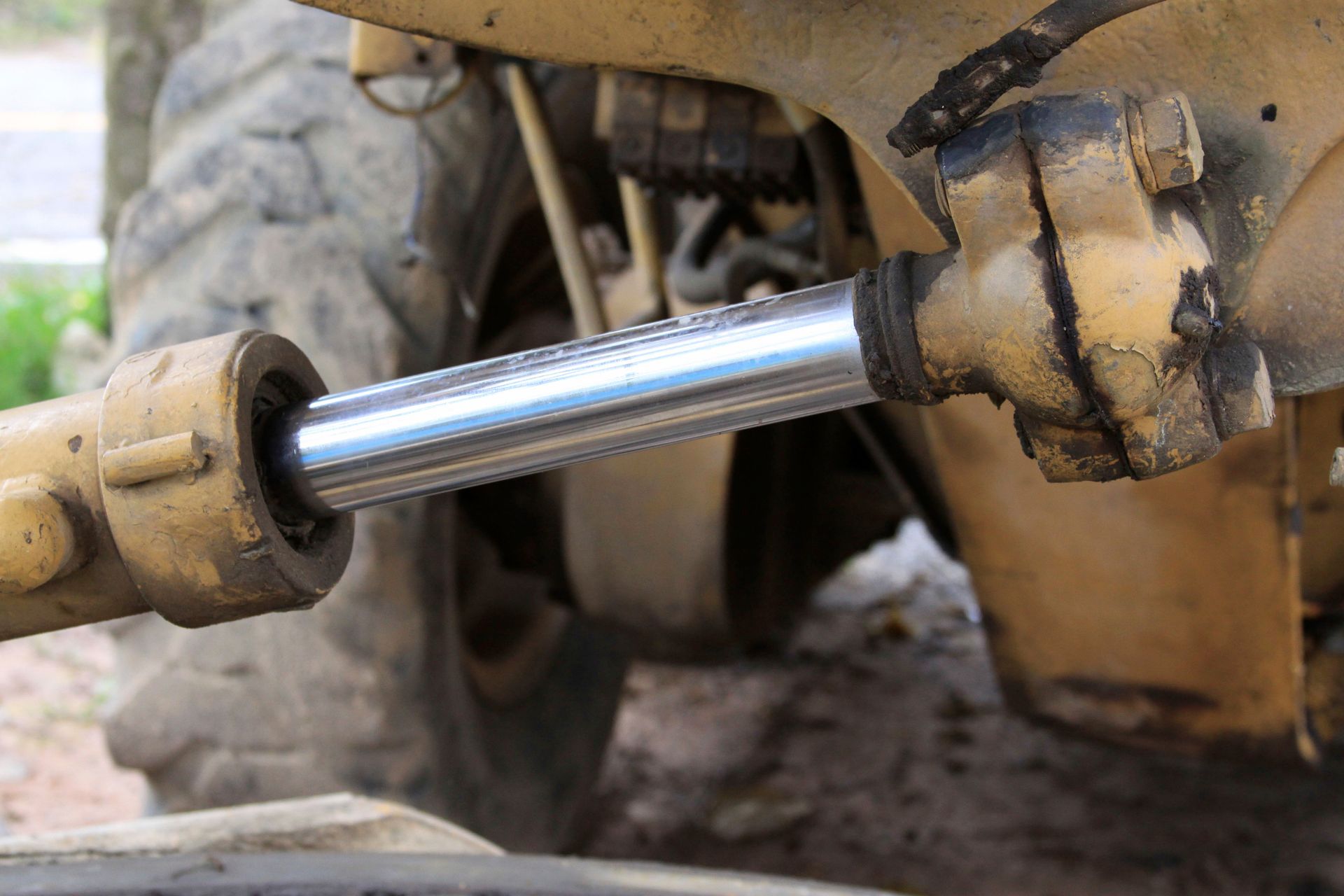
Hydraulic systems are integral to heavy machinery, providing the strength and precision required for tasks such as excavation, lifting, and demolition. The construction industry relies heavily on equipment like hydraulic excavators and cranes to perform jobs that were previously impossible with manual labor alone. These machines demonstrate the power of Pascal's Law, allowing operators to move large loads with minimal input force. The reliability and efficiency of hydraulic systems continue to drive innovation in heavy equipment design, making them indispensable tools for modern construction projects. By continuously refining these systems, engineers ensure that hydraulic technology remains at the forefront of the heavy machinery sector.
Hydraulics also play a transformative role in renewable energy solutions, particularly in wind and hydroelectric power generation. Hydraulic systems are used to control the pitch of wind turbine blades, optimizing their efficiency and energy output. In hydroelectric plants, hydraulic turbines convert the energy of flowing water into electricity, making them vital in sustainable energy production. As the world shifts towards renewable energy, advancements in hydraulic technology will be critical in improving efficiency and reducing costs. These applications highlight the potential of hydraulics to support a greener and more sustainable future.
In aerospace, hydraulics are crucial in the operation of aircraft control systems, landing gear, and braking systems. The precise and reliable nature of hydraulic power makes it well-suited for the demanding environment of aviation. Hydraulic systems allow for quick and accurate adjustments, ensuring safety and performance during flight. As aerospace technology advances, the integration of smarter hydraulic systems will enhance aircraft capabilities and efficiency. The ongoing development of hydraulic solutions in this industry demonstrates the versatility and adaptability of hydraulic technology in meeting complex engineering challenges.
3. Hydraulics and Environmental Concerns
The environmental impact of hydraulic systems is a growing concern, leading to innovations in sustainable hydraulic fluid technology. Traditional hydraulic fluids often contain synthetic and petroleum-based additives that pose risks to the environment. In response, bio-based and biodegradable hydraulic fluids are being developed to mitigate contamination and improve eco-friendliness. Advances in chemistry and materials science are driving the production of fluids that perform well while reducing ecological impact. Such innovations are crucial for ensuring that hydraulic power continues to progress in an environmentally responsible manner.
Oil spills and pollution from hydraulic systems present significant environmental challenges that must be addressed. Leaks and accidental spills can contaminate soil and water, causing harm to wildlife and ecosystems. Companies are implementing stricter maintenance protocols and using spill prevention technologies to minimize such risks. Innovations such as spill containment solutions and leak detection sensors are helping to detect and prevent hydraulic fluid leaks before they escalate. By adopting these measures, industries can help protect the environment while maintaining the benefits of hydraulic power.
As environmental awareness grows, the demand for eco-friendly hydraulic solutions is rising. Engineers and manufacturers are developing systems that balance performance with environmental impact, using recyclable materials and energy-efficient designs. Eco-friendly hydraulic systems not only preserve natural resources but also align with evolving government regulations and environmental standards. The adoption of such technologies can lead to significant reductions in carbon emissions and resource consumption. This commitment to sustainability reflects the industry's recognition of its role in global environmental stewardship.
4. Challenges and Limitations in Hydraulic Systems
Maintaining hydraulic machinery is vital for ensuring longevity and efficiency, but it can be challenging. Regular maintenance requires skilled technicians to identify and rectify issues such as fluid contamination and component wear. Poor maintenance often leads to decreased system performance and breakdowns, causing costly downtime. Integrating smart sensors in hydraulic systems can provide real-time data on system status, enabling predictive maintenance and reducing unexpected failures. However, the initial cost of implementing such technologies can be a barrier for some companies, highlighting the need for balancing innovation with practicality.
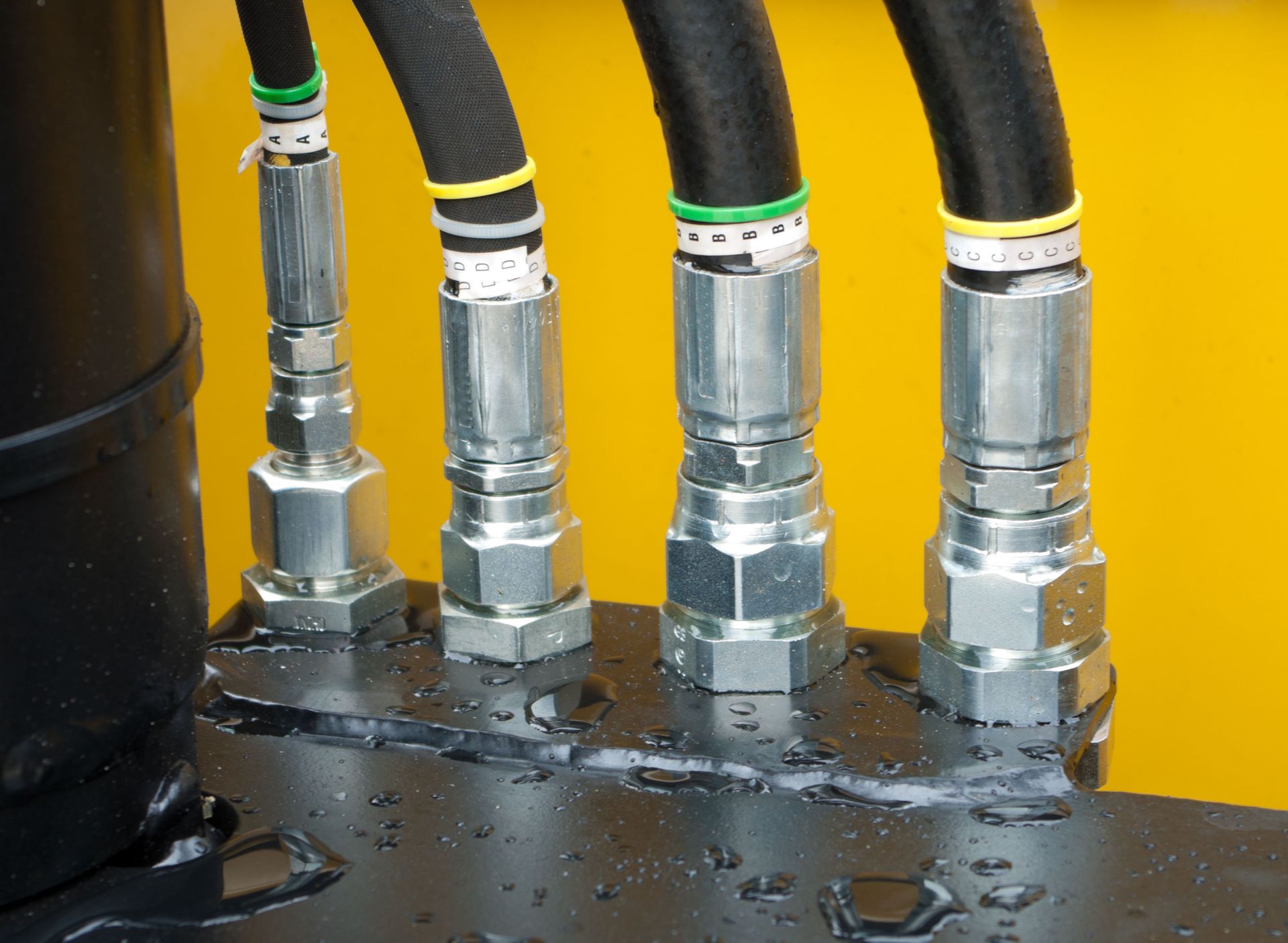
Hydraulic fluid leaks remain a prevalent issue, often leading to significant environmental and financial consequences. Seals and fittings are commonly susceptible to wear, necessitating regular inspections and replacements. System failures can be catastrophic in applications like civil engineering and aerospace, where safety is paramount. Developing more resilient materials and advanced sealing technologies is essential to mitigate the risk of leaks and failure. Despite these challenges, relentless research and development are paving the way for more reliable and leak-resistant hydraulic systems.
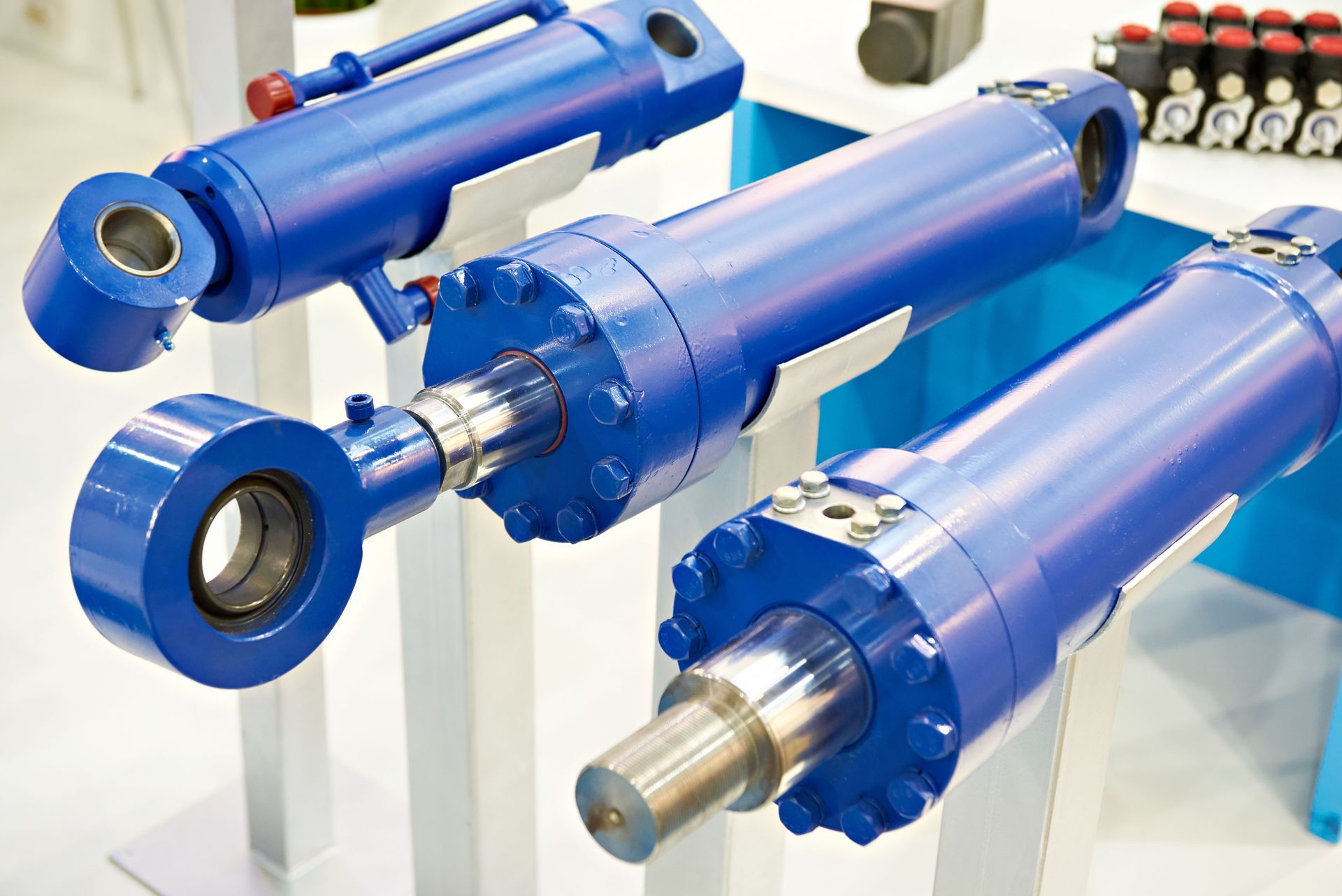
High-pressure applications present limitations for traditional hydraulic systems, pushing the boundaries of existing technology. As industries demand systems that operate at greater pressures, components such as pumps and cylinders need to be designed to withstand intense conditions. This often leads to trade-offs between performance, cost, and durability. Exploring alternative materials and innovative designs can help overcome these limitations, offering solutions that address both current and future high-pressure needs. By prioritizing research in this area, the industry can continue to expand the capabilities of hydraulic power without compromising system integrity.
The continuous evolution of hydraulic technology promises to unlock new potentials across various domains. This unfolding narrative serves as a testament to the enduring power and promise of hydraulics in engineering and beyond. If you're interested in learning more about
hydraulic power, reach out to Devine Hydraulics, Inc today!




Share On: