

Best Practices for Maximizing the Life of Hydraulic Pumps and Cylinders
In the world of heavy machinery and industrial applications, hydraulic pumps and cylinders are critical components. Ensuring their longevity and reliability is essential for minimizing downtime and reducing operational costs. This article outlines the best ways to maximize the life of these crucial components.
Understanding Hydraulic Systems
The Role of Hydraulic Pumps and Cylinders
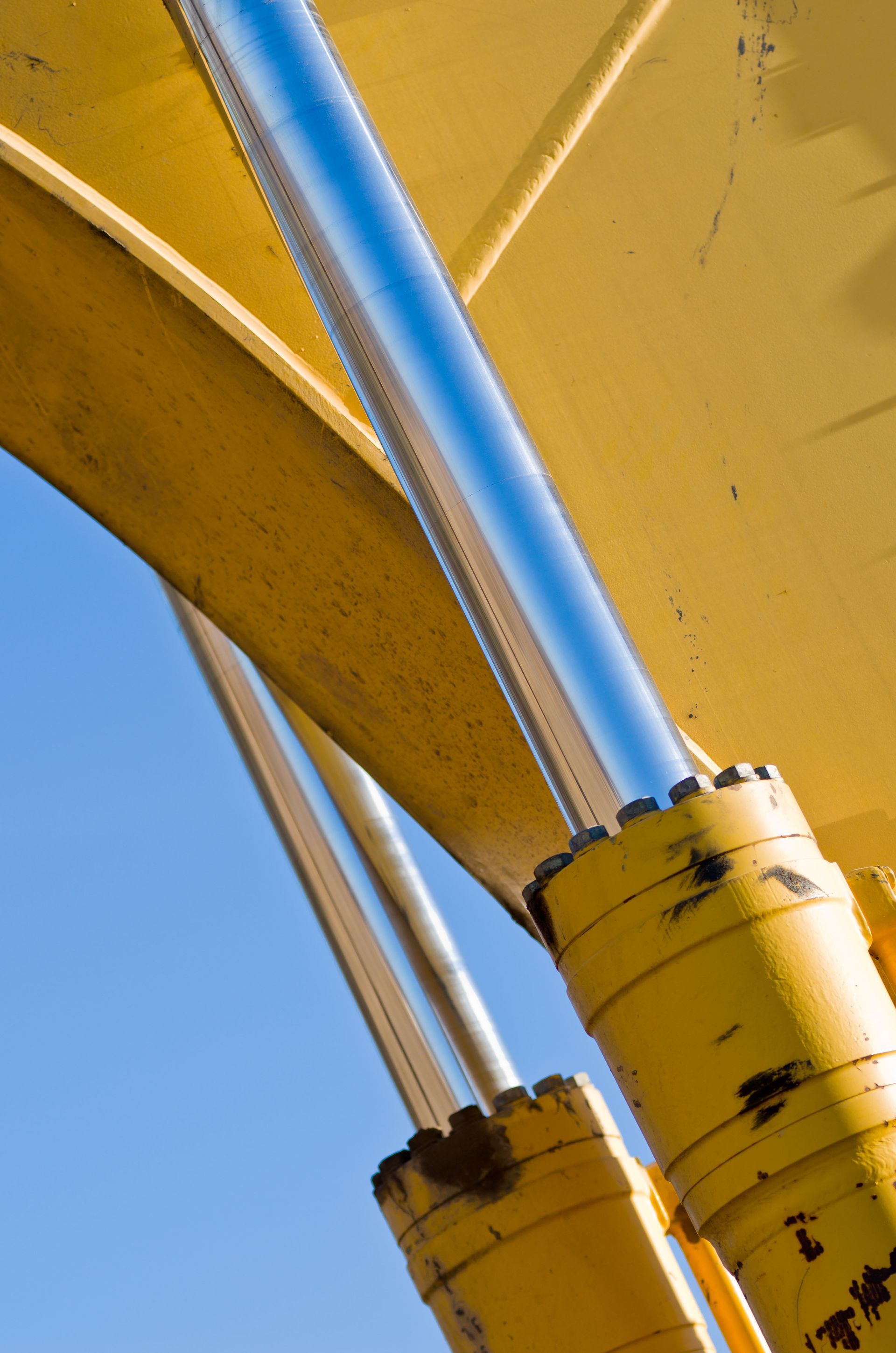
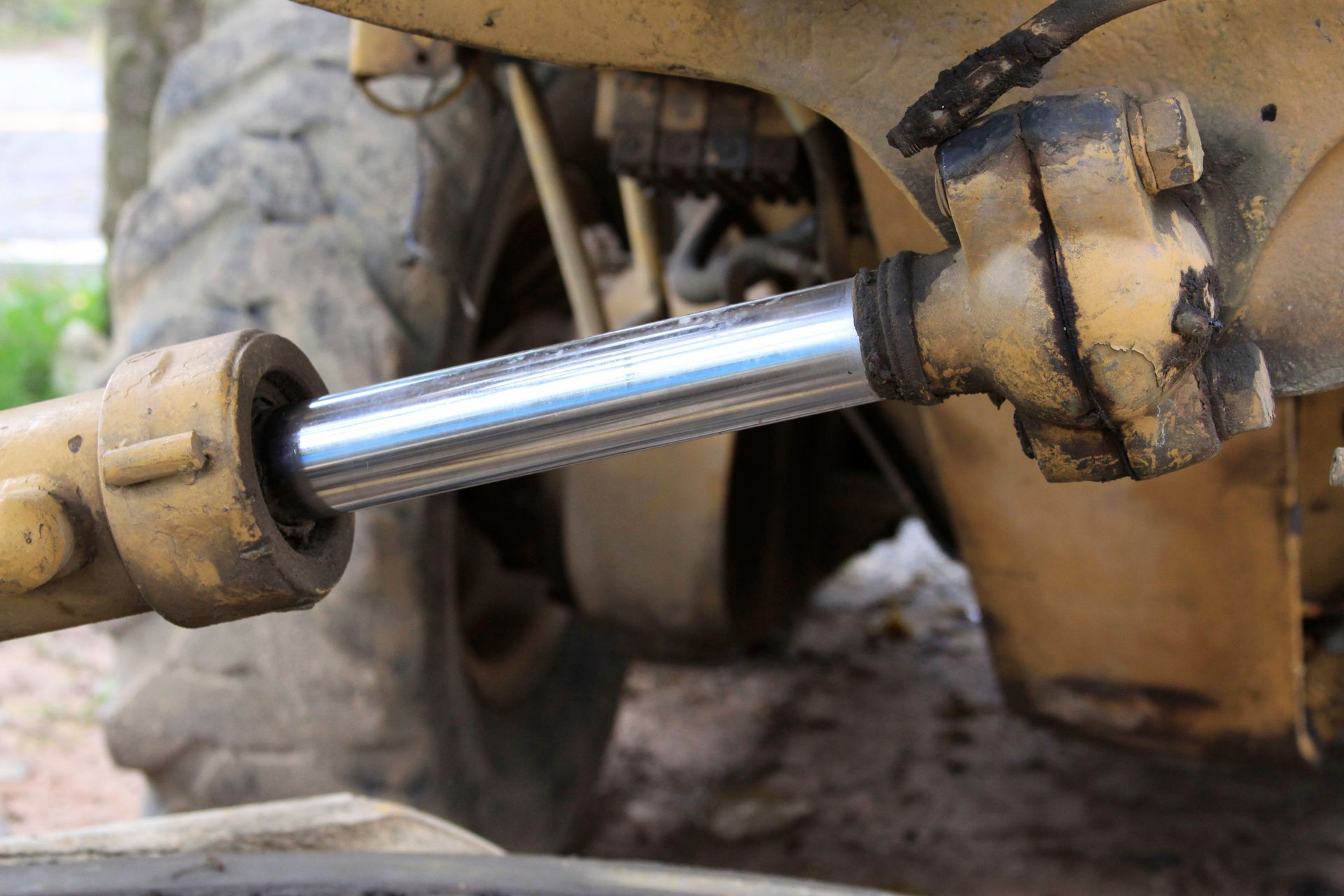
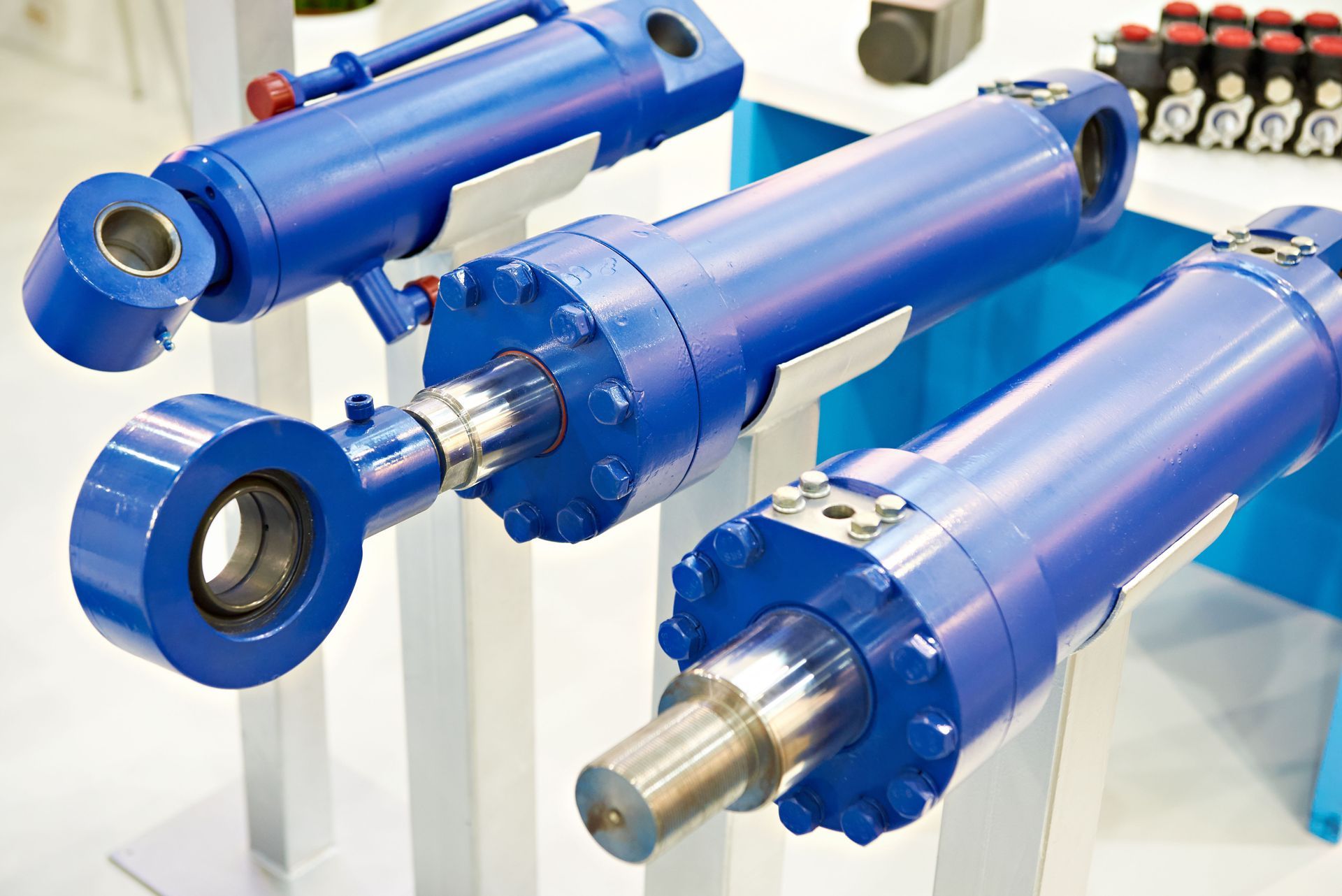
Hydraulic pumps and cylinders play vital roles within hydraulic systems, acting as the heart and muscle of these setups. Pumps are responsible for converting mechanical energy into hydraulic energy, initiating the flow of fluid under pressure throughout the system. On the other hand, cylinders function as actuators, using hydraulic power to perform mechanical work in various applications. The efficiency and performance of these components are crucial for the operational success of any machinery that relies on hydraulic power. Their effective function ensures smooth operations and prevents system failures.
Basic Components of Hydraulic Systems
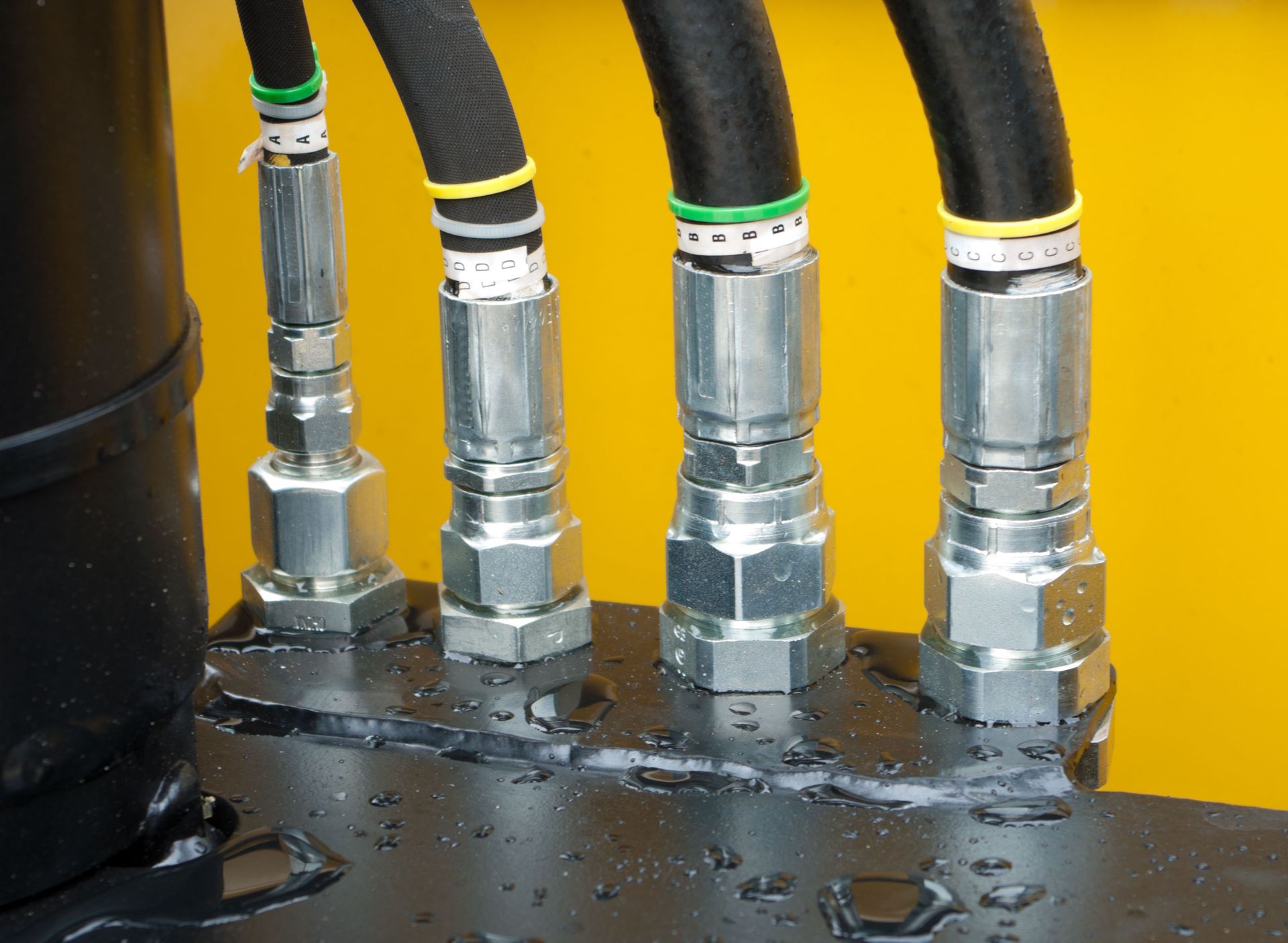
A typical hydraulic system consists of several integral components, each designed to fulfill specific roles. Apart from pumps and cylinders, other components like reservoirs, valves, filters, and actuators comprise the system. Together, they ensure that hydraulic fluid is distributed correctly, with factors such as pressure and flow rate being accurately controlled. Understanding the interplay among these elements is necessary for diagnosing system inefficiencies. Components must be compatible with each other to function optimally.
Common Applications and Uses
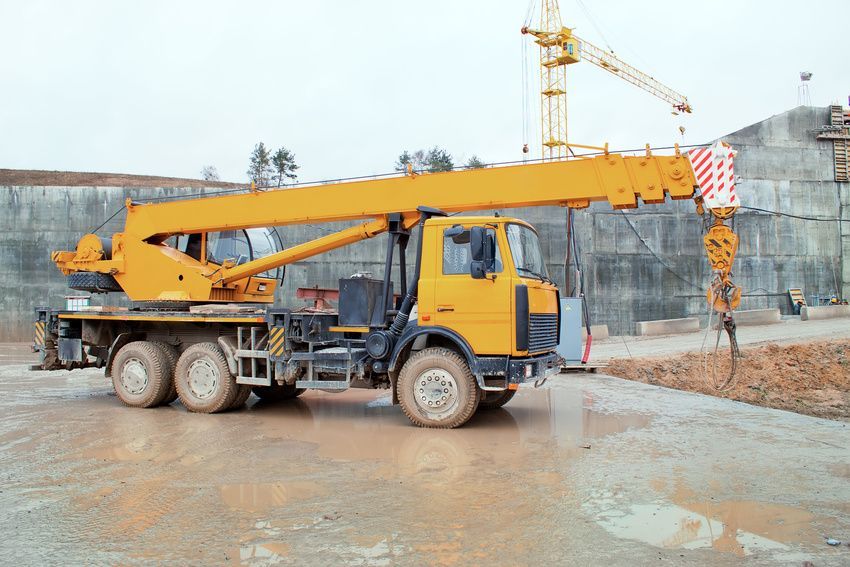
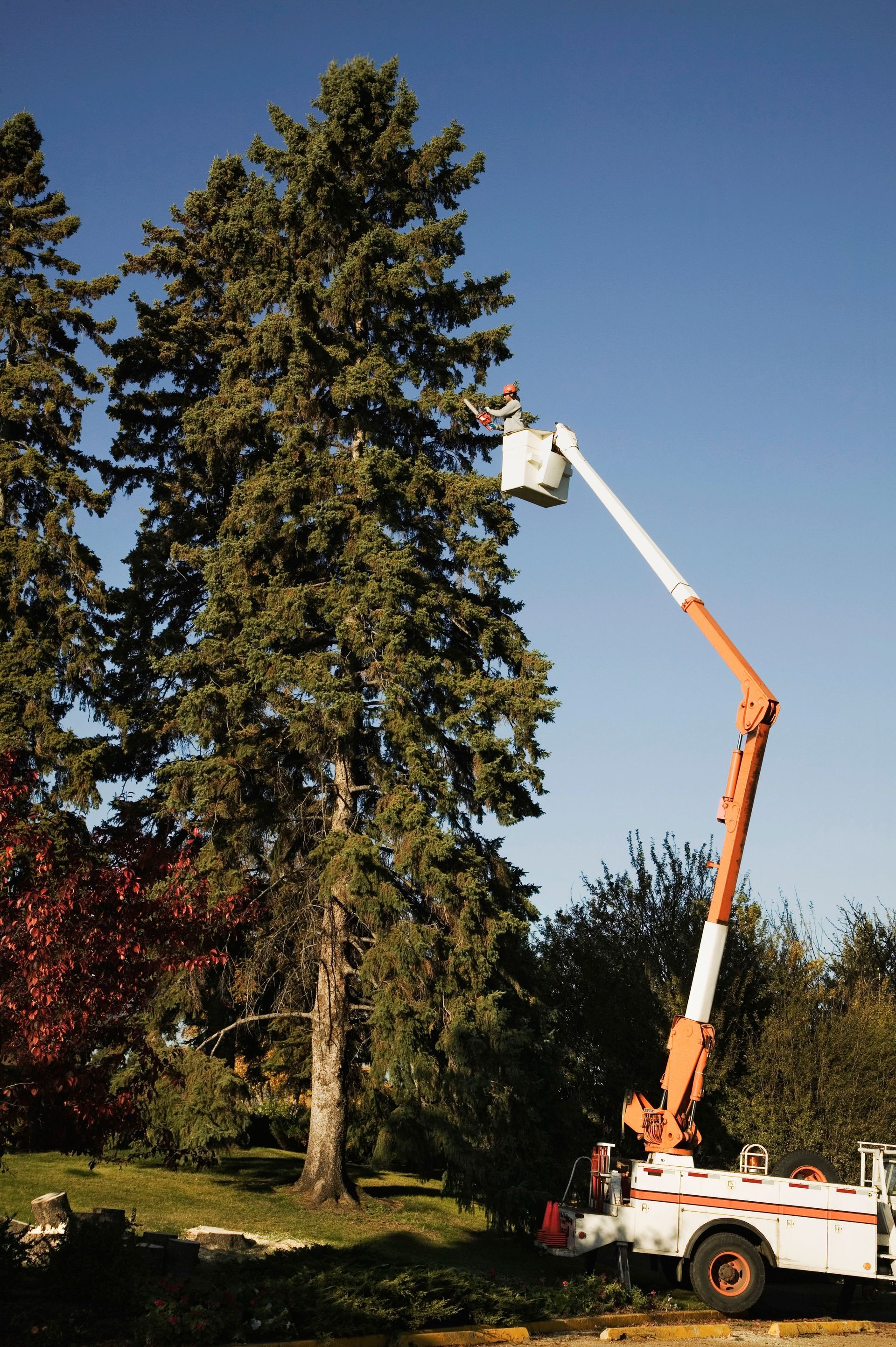
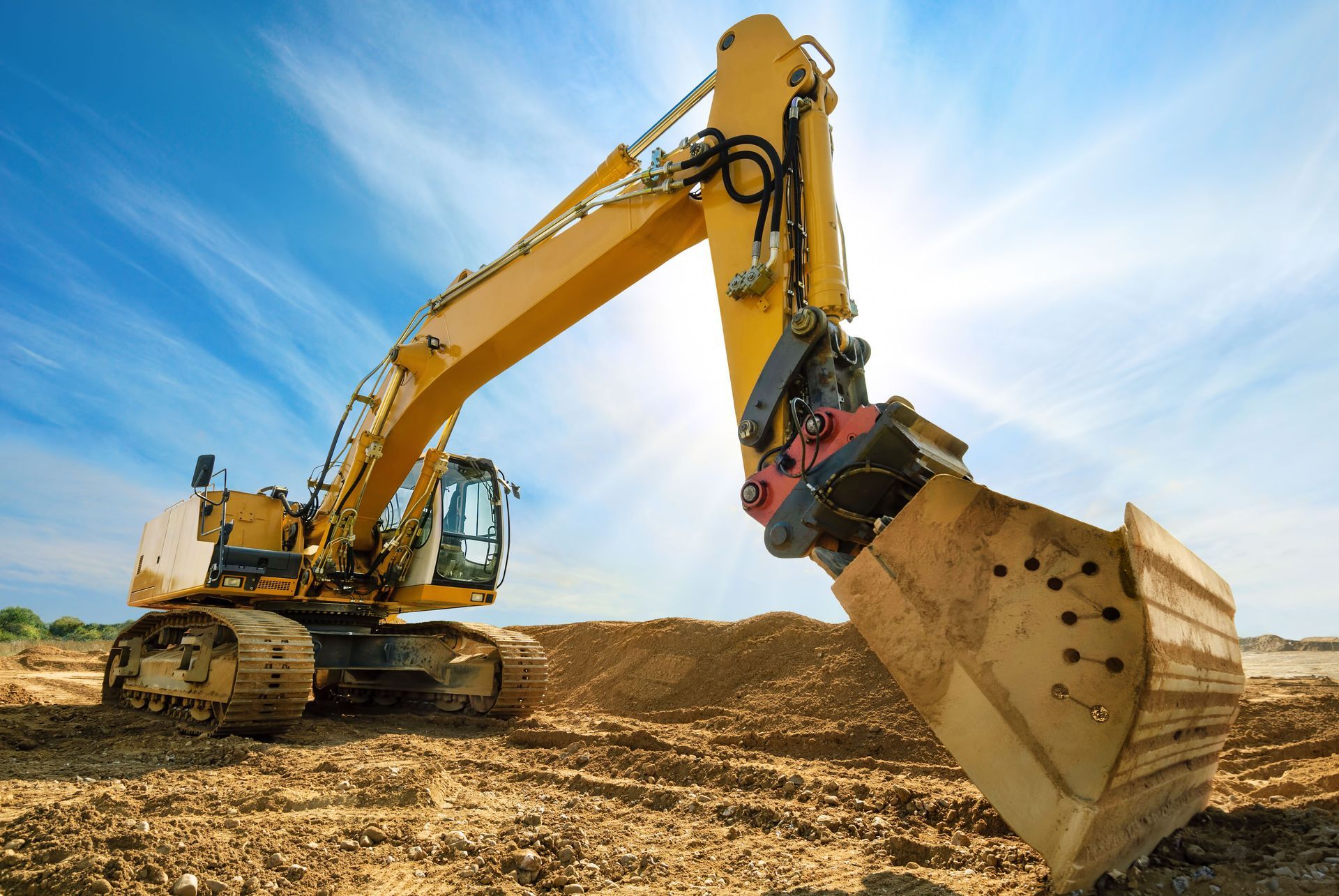
Hydraulic systems are utilized across an array of industries, from construction and manufacturing to aerospace and agriculture. These systems are integral in operating equipment such as bulldozers, airplanes, elevators, and many other machinery types. Each application demands specific characteristics in terms of pressure and fluid dynamics, which delineates the choice of pumps and cylinders. Innovations in hydraulic technology continue to expand the scope of applications, further solidifying their relevance. Understanding these applications allows for targeted maintenance strategies to enhance longevity.
Importance of System Compatibility
System compatibility is paramount to achieving efficient hydraulic operations and avoiding equipment failure. Ensuring that pumps and cylinders match in capacity and performance parameters eliminates unnecessary strain on components. Incompatible systems can result in pressure imbalances, reduced performance, leaks, and premature wear. This compatibility also extends to the hydraulic fluid used, which must support the operating characteristics of pumps and cylinders. Regular checks should be in place to verify the consistency of system components.
Common Causes of Hydraulic System Failure
Hydraulic system failure can arise from several factors, each impacting the system differently. Common causes include fluid contamination, inappropriate fluid levels, and mechanical wear over time. In addition, poor maintenance and lack of adherence to operational guidelines can exacerbate these issues. According to Business Research Insights, the Hydraulic Components Repair Services Market globally is expected to be valued at $1.23 Billion in 2026 and is thought to increase to $2.48 Billion by 2035. Subsequently, this projected growth underscores the importance of understanding repair costs.
Regular Maintenance and Inspection
Establishing a Routine Maintenance Schedule
Establishing a routine maintenance schedule is essential for the longevity and optimal performance of hydraulic pumps and cylinders. Regular maintenance allows early detection of potential issues such as leaks, wear, and alignment problems before they escalate. Scheduling maintenance according to manufacturer recommendations ensures that each component is serviced at appropriate intervals. This not only prolongs the life of the components but also enhances overall system reliability. Businesses must commit to structured maintenance to avoid unnecessary downtimes and costly repairs.
Visual and Diagnostic Inspections
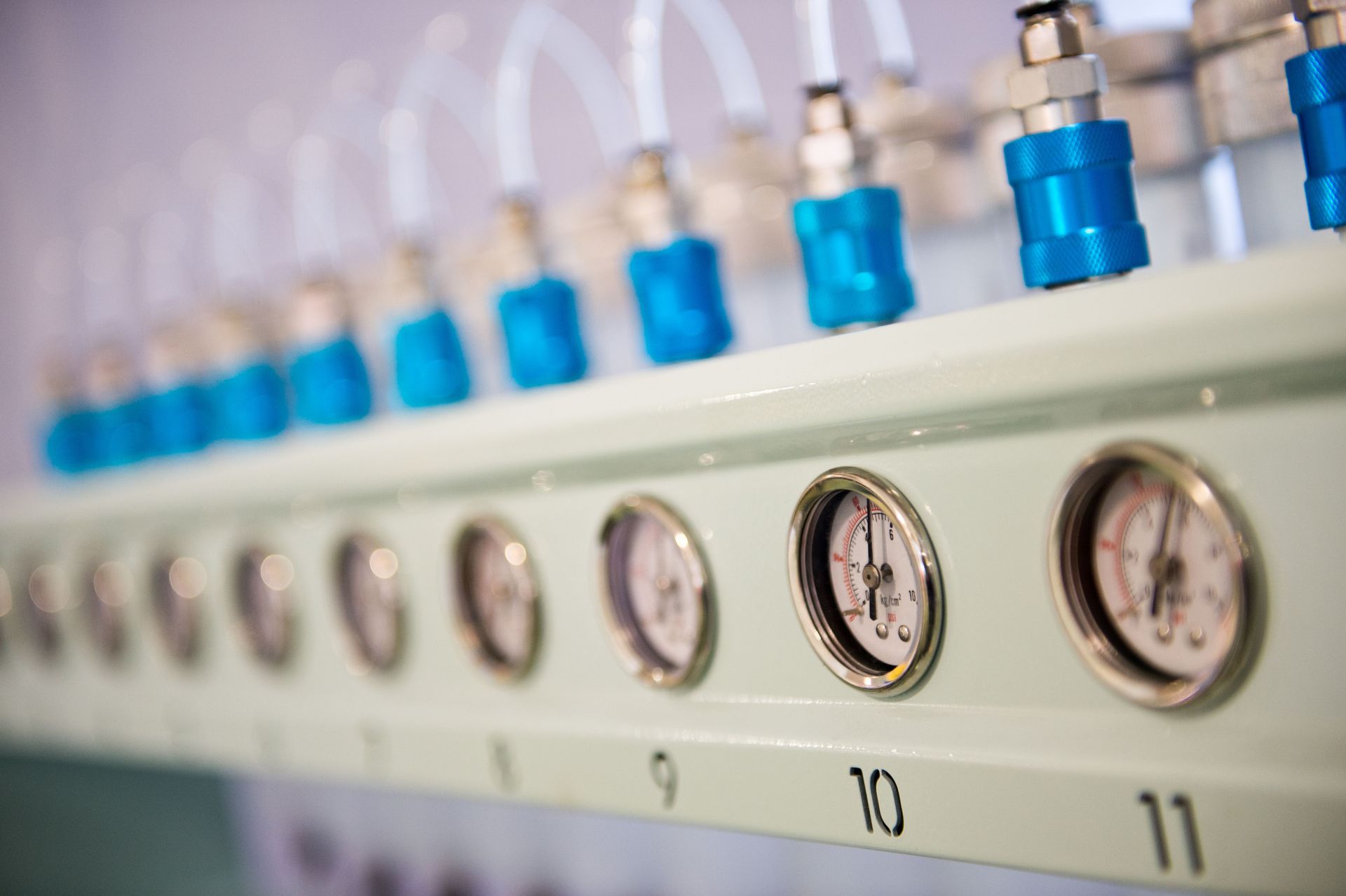
Visual inspections are a straightforward method for identifying obvious signs of wear or damage in hydraulic systems. However, visual checks should be complemented by diagnostic inspections that utilize advanced tools and techniques. Tools such as pressure gauges, thermal imaging cameras, and fluid analysis equipment provide insights into component functionality and fluid health. Conducting systematic inspections helps in creating a clearer maintenance plan. These inspections are crucial in reducing the likelihood of sudden and unexpected failures.
Identifying Wear and Tear
Continuous use of hydraulic systems inevitably leads to wear and tear of components. Identifying the early signs of wear, such as pitting, scoring, or an increase in operating noise, is crucial for preventative maintenance. Early intervention can prevent minor wear from escalating into major issues that require extensive repairs. Understanding the typical wear patterns allows operators to take targeted action, such as component replacement or recalibration. Regular training sessions for maintenance personnel can significantly improve the identification of wear and tear issues.
Maintaining Cleanliness in Hydraulic Systems
Maintaining cleanliness in hydraulic systems is essential for preventing fluid contamination, which is a primary cause of component failure. Contaminants such as dirt, metal shavings, and moisture can enter the system through various points, including faulty seals and open reservoir caps. Implementing clean working practices and proper storage solutions helps minimize contamination risks. Additionally, using proven filtration systems can effectively capture and remove contaminants from the hydraulic fluid. Keeping the system clean directly contributes to improved performance and longevity.
Documenting Maintenance Activities
Systematic documentation of maintenance activities is vital for tracking the health and history of hydraulic systems. Detailed records allow operators to identify patterns of wear and the performance of replaced or repaired components. Documentation provides a framework for future maintenance planning and takes note of recurring issues that may require broader system upgrades. Reporting systems allow teams to share knowledge and ensure compliance with industry standards and practices. Accurate records are indispensable for ensuring transparent communication between maintenance supervisors and operators.
Proper Fluid Management
Choosing the Right Hydraulic Fluid
Choosing the correct hydraulic fluid is critical, as it serves as the lifeblood of the system, affecting the performance and longevity of components. Various factors, such as temperature range, pressure, and material compatibility, should be considered when selecting hydraulic fluid. Using the wrong fluid type can lead to inadequate lubrication, increased wear, and ultimately component failure. Manufacturers typically recommend specific fluids that best suit their equipment, ensuring optimal operation. Regular review of fluid specifications is advised to meet evolving system demands.
Monitoring Fluid Viscosity and Additives
Regular monitoring of hydraulic fluid viscosity and additives is essential to maintain system efficiency and prevent performance issues. Viscosity affects the fluid's flow characteristics, with improper levels leading to cavitation or excessive heat generation. Additives within hydraulic fluids enhance properties such as oxidation resistance, wear protection, and rust prevention. Testing fluid samples periodically for these properties helps predict when fluid replacement or additive replenishment is necessary. A structured fluid analysis program supports proactive maintenance strategies.
Regularly Testing and Changing Fluid
Consistent testing and timely changing of hydraulic fluid are critical in maximizing the durability of pumps and cylinders. Fluid testing assesses essential parameters like contamination, viscosity, and additive levels, providing a comprehensive snapshot of fluid condition. Scheduled fluid changes, based on test results, ensure that system components operate under optimal conditions, reducing wear and overheating. Regularly refreshed fluid improves reliability and extends equipment life, potentially saving significant repair costs. The commitment to fluid management is an investment in system longevity.
By taking a proactive approach and implementing these best practices, operators can significantly extend the life of hydraulic pumps and cylinders. Regular maintenance, proper fluid management, adequate installation, and addressing issues promptly are keys to ensuring the efficiency and longevity of hydraulic systems. Adhering to these guidelines not only reduces costs and downtime but also boosts overall system performance. In an industry where reliability and efficiency are paramount, dedicated attention to hydraulic systems is a critical investment. Operators must commit to these strategies to maximize the service life and effectiveness of their machinery. Be sure to reach out to Devine Hydraulics, Inc today to learn more about our professional on site hydraulic services!

Share On: