

3 Industries That Rely on Hydraulic Power Every Day
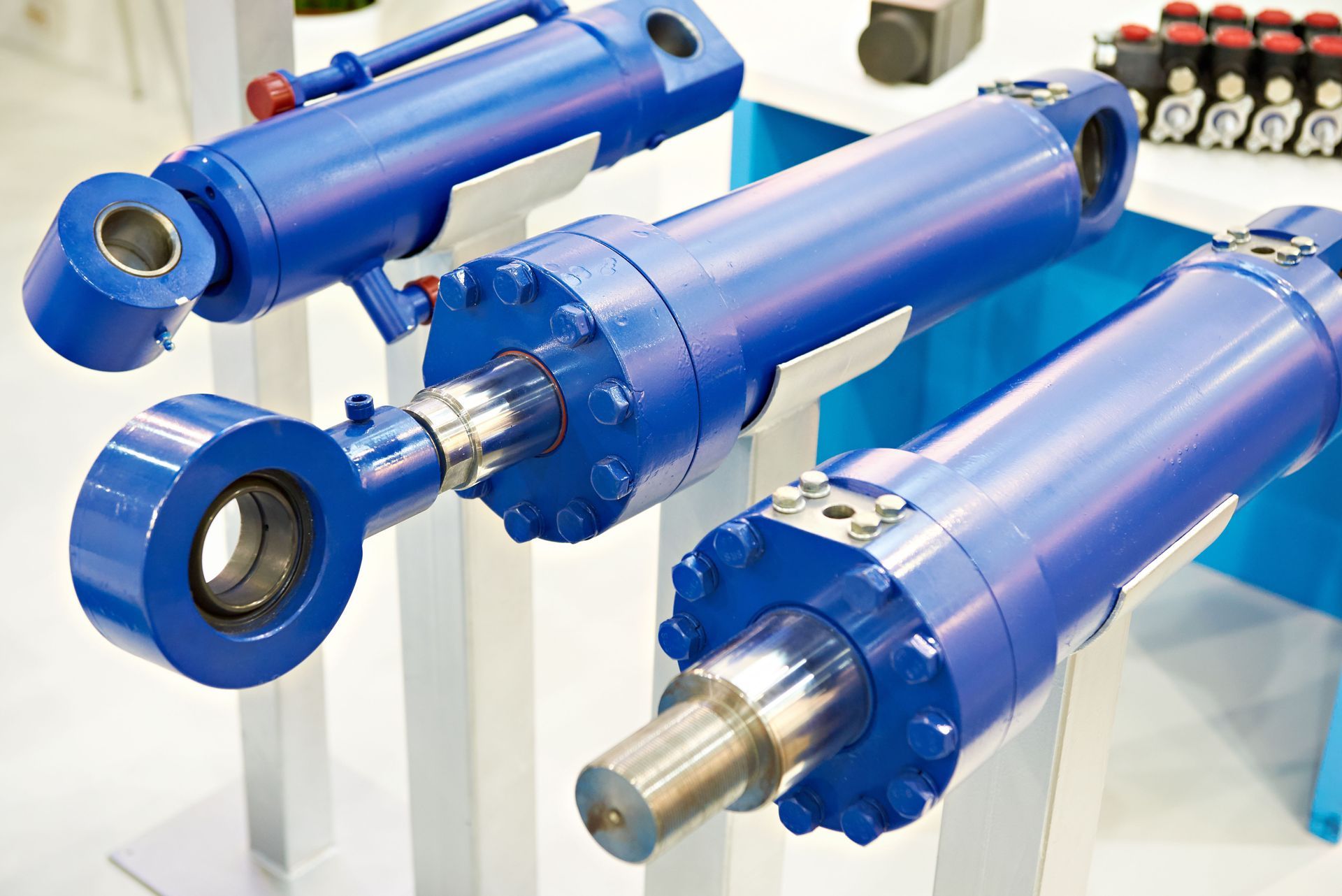
Hydraulic power is a pivotal force in the industrial world, driving efficiency and innovation across various sectors. Fundamentally, hydraulic systems operate using pressurized fluid to generate, control, and transmit power. Their primary advantage lies in their power density, offering unmatched force output relative to their size. This versatility allows hydraulics to be adapted for a range of applications from subtle precision work to heavy-duty operations. The increasing demand for hydraulics is reflected in the industry's robust growth trajectory, which, according to Markets and Markets, is projected to surge to $44.26 billion by 2030.
1. Construction Industry
1.1 Excavation Equipment
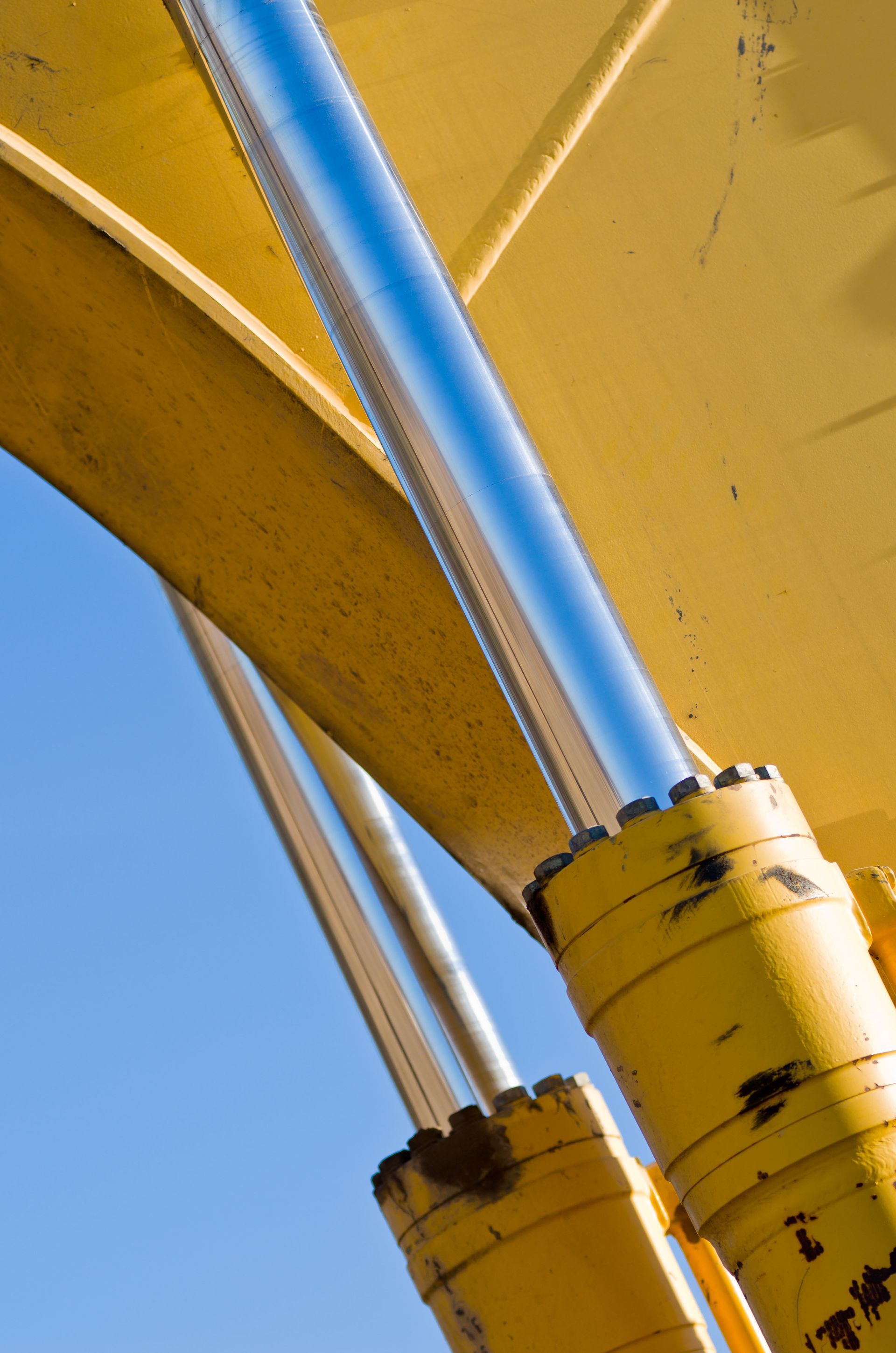
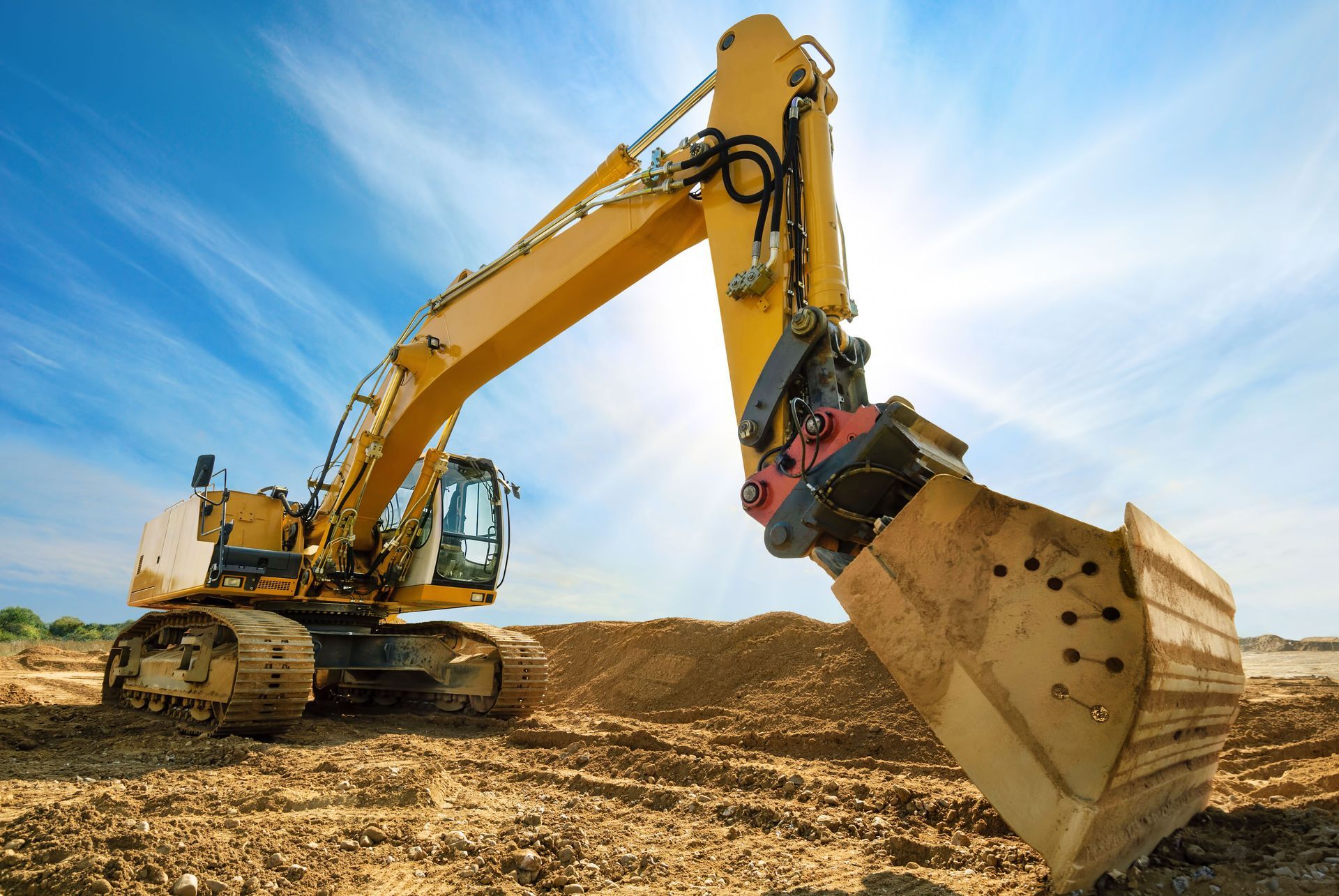
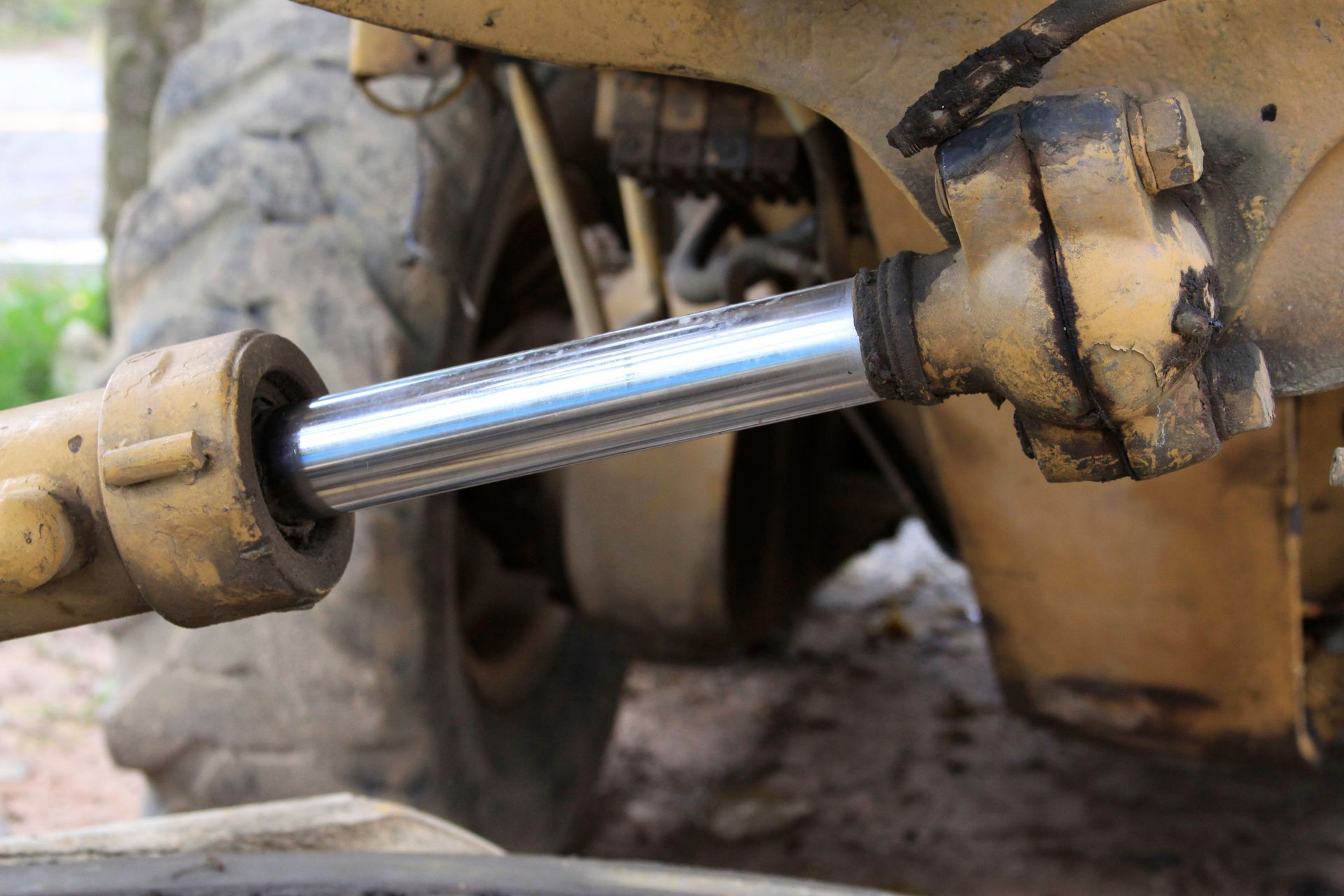
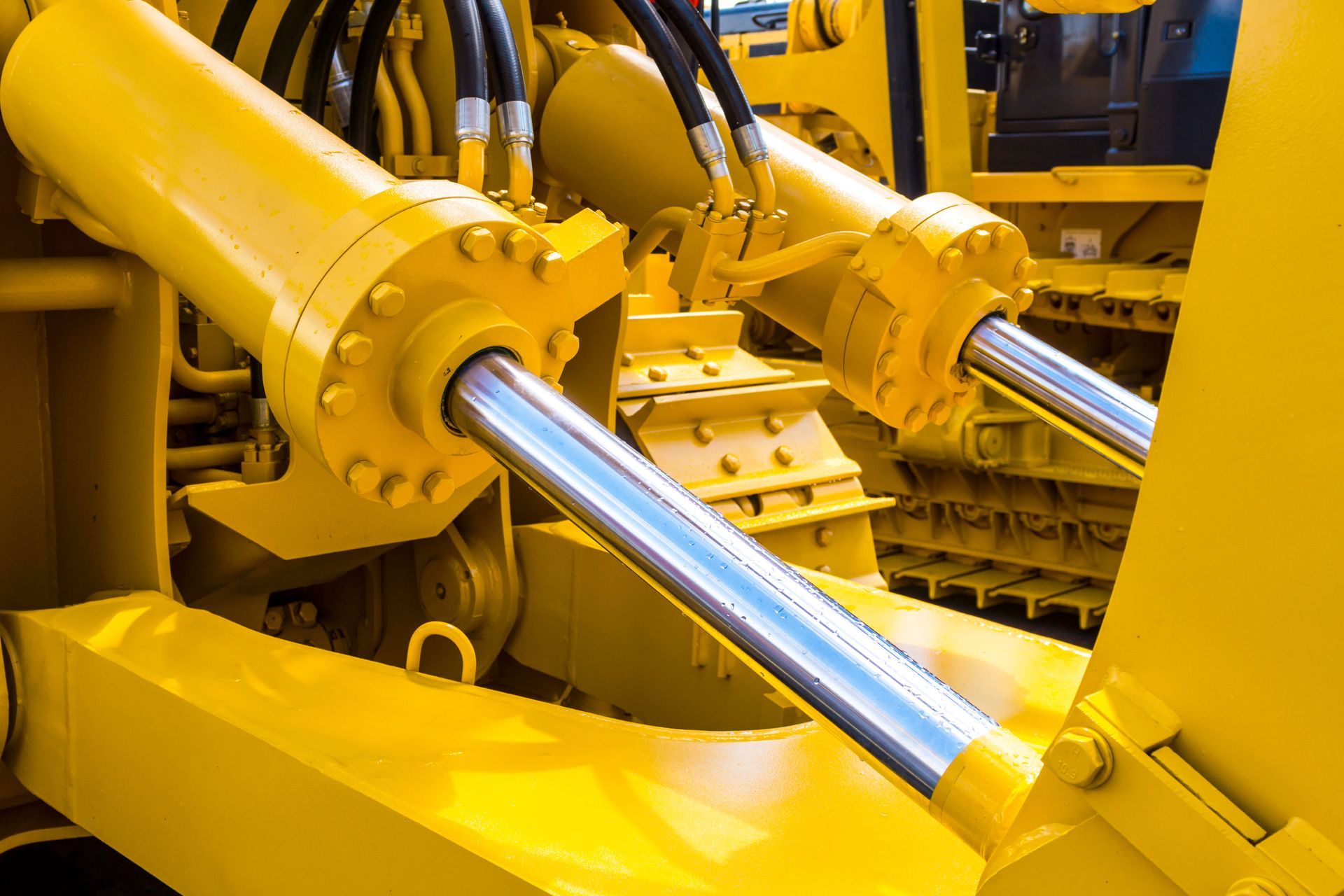
In the construction industry, hydraulic systems are indispensable for powering excavation equipment like excavators. These machines rely on hydraulic power to produce the immense force necessary for movements like digging and lifting heavy soil. The precision offered by hydraulics enhances operator control, making it possible to perform highly detailed excavation tasks safely and effectively. Furthermore, hydraulic systems ensure the machinery operates efficiently, minimizing fuel consumption and reducing operational costs. As construction projects grow in complexity, the demand for hydraulically powered equipment is likely to rise, driving further advancements in this area.
The growth of the global construction industry fuels the need for efficient machinery, where hydraulic-powered equipment plays a crucial role by enhancing productivity. Excavators, with their hydraulic anatomy, ensure high operational efficiency, enabling faster cycle times and improved work outcomes. More complex projects necessitate efficient equipment that hydraulic power readily delivers through its high power-to-weight ratio. Enhanced precision allows for seamless operation even in congested construction sites, reducing the risk of accidents. The global hydraulics market's projected growth underlines its importance in advancing construction equipment technology.
1.2 Concrete Pumping Equipment
Concrete pumping has become significantly more efficient and effective with the incorporation of hydraulic systems. These systems simplify the process of moving large volumes of concrete over distances and heights that were previously challenging. Hydraulic pumps provide consistent delivery speeds, which improve the quality of the poured concrete and reduce waste. By precisely controlling flow rates, hydraulic systems ensure that concrete placement is accurate and reliable, even in hard-to-reach locations. This technology reduces labor costs and speeds up construction timelines, contributing to increased project profitability.
The utility of hydraulics in concrete pumping is evident in the rise of sophisticated concrete pump designs. Hydraulic pumps are engineered to handle the viscosity of concrete mixtures, maintaining steady flow without clogging. This reliability in performance supports large-scale projects, where delays can translate into significant financial losses. Moreover, hydraulic systems are adaptable, catering to diverse concreting needs from foundations to high-rise structures. As hydraulic technology evolves, newer pumps offer greater efficiency and adaptability across different construction environments.
2. Agriculture Industry
2.1 Tractors and Harvesters
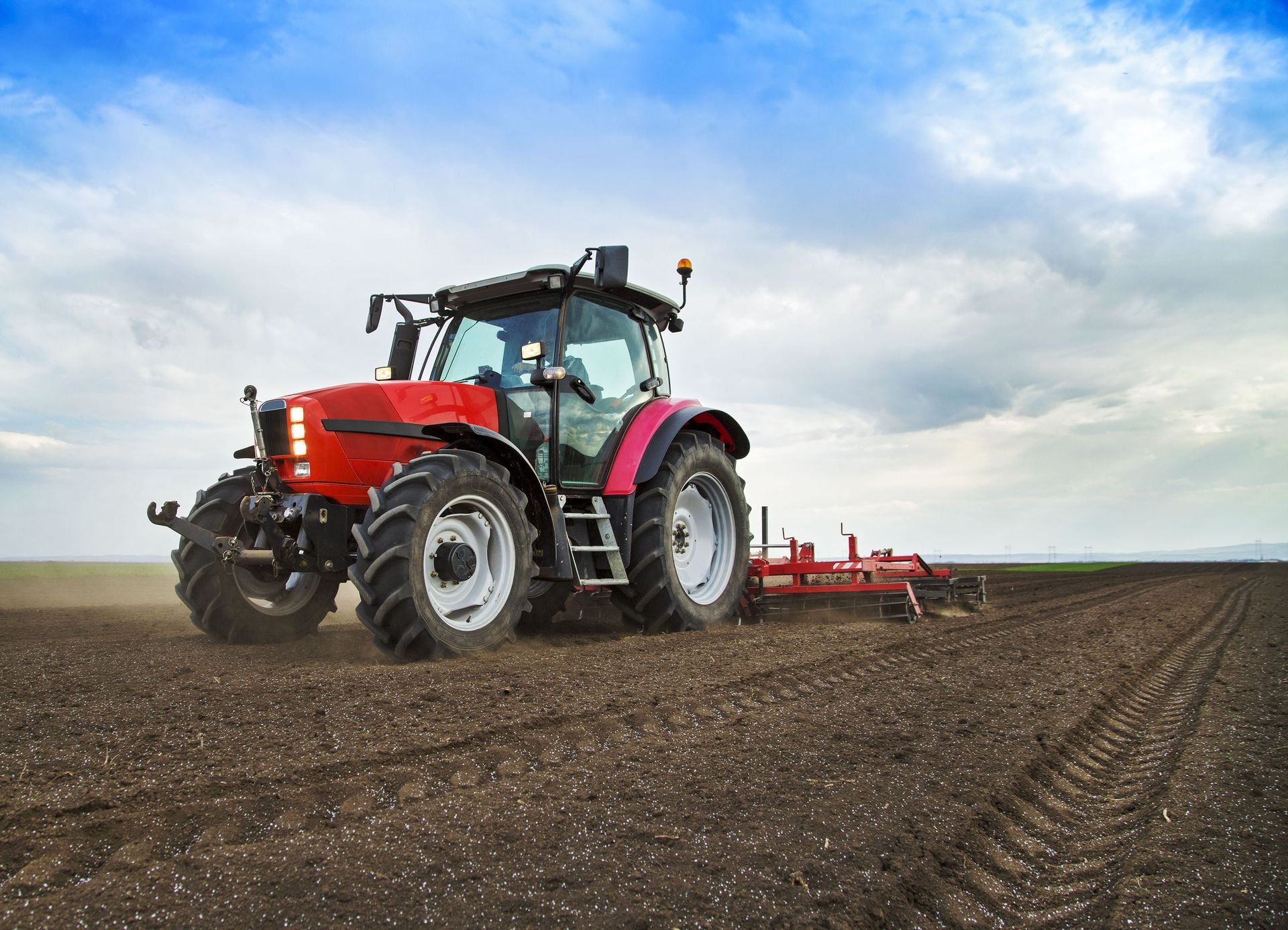
In the agriculture industry, tractors and harvesters have long relied on hydraulic systems to enhance their power and efficiency. Hydraulic systems enable these machines to perform complex operations such as lifting, pulling, and cutting with minimal physical effort from the operator. These systems optimize energy usage and help reduce the mechanical strain on agricultural equipment, prolonging their lifespan and reducing maintenance costs. The consistent performance of hydraulically powered tractors and harvesters significantly boosts farm productivity, ensuring timely and efficient crop processing. As global food demand rises, the reliance on sophisticated hydraulic systems in agriculture is set to grow.
The integration of hydraulic systems in tractors enhances their capacity to work efficiently in different terrains and crop conditions. The fluid power of hydraulics allows tractors to handle heavy attachments without compromising speed or maneuverability. Advanced hydraulic technology supports precision agriculture, enabling operators to perform multidimensional tasks simultaneously with greater ease. This versatility translates into cost savings, as farmers maximize output while minimizing labor and fuel consumption. The anticipated growth in the global hydraulics market aligns with the increasing demand for tractor technology that boosts agricultural efficiency and sustainability.
2.2 Plows and Tillers
Hydraulic power significantly enhances the efficiency and functionality of plows and tillers in agriculture. The application of hydraulic technology in these implements facilitates smoother soil penetration and efficient turning of the earth. This results in better soil aeration and preparation, promoting optimal crop growth and yield. Hydraulic plows and tillers are equipped with systems that allow for precise depth and angle adjustments, accommodating various soil types and farming methods. The resilience and reliability of hydraulics in these implements reduce downtime and maintenance efforts, benefiting farmers in both cost and time management.
Hydraulically powered plows offer significant advantages over traditional methods, particularly in large-scale farming operations. The power density provided by hydraulics enables these machines to handle tough terrain conditions effectively without impediments. The development of smart hydraulic systems that offer automated adjustments and feedback mechanisms is critical to improving productivity and efficiency. This adaptability ensures that machinery operates optimally regardless of field conditions, significantly enhancing agricultural operations. As the demand for food and efficient farming increases worldwide, so too does the importance of hydraulic technology in the development of advanced plowing solutions.
2.3 Harvesting Solutions
Hydraulic technology in modern harvesting solutions is essential for improving operational efficiency and crop quality. Harvesters equipped with hydraulic power systems perform a range of functions from cutting and gathering to threshing and sorting. These machines use hydraulic mechanisms to operate seamlessly, enabling the swift and precise processing of crops. This efficiency ensures that harvesting is completed in a timely manner, crucial for maximizing crop yield before spoilage or weather changes occur. Hydraulics ensure consistency and quality during the harvest, offering farmer-friendly solutions that enhance agricultural productivity.
Advanced harvesting equipment utilizes hydraulic technology to support diverse agricultural processes, adapting to various crops and harvesting techniques. The flexibility offered by hydraulic systems allows for adjustments to accommodate specific harvesting needs, enhancing versatility. Automation capabilities in hydraulic harvesters reduce labor-intensive tasks, streamline workflow, and minimize operational costs. Innovations continue to enhance the precision and economy of these machines, making them indispensable for large-scale farming operations. It is anticipated that ongoing innovation in hydraulics will drive efficiency and effectiveness in agricultural harvests worldwide.
3. Manufacturing Industry
3.1 Metal Forming Equipment
Metal forming equipment, such as hydraulic presses, play a pivotal role in shaping materials across various manufacturing processes. The exceptional force generated by hydraulic systems allows for precise and complex metal shaping, facilitating high-quality manufacturing outputs. Hydraulic presses are revered for their ability to sustain pressure consistently, maintaining the integrity and strength of the resulting products. Adaptations in hydraulic systems have improved operational speed and efficiency, catering to large-scale industrial demands. As manufacturing needs continue to grow in complexity and volume, reliance on advanced hydraulic solutions is fundamental to sustaining productivity.
Hydraulic presses enhance productivity by providing reliable solutions for bulk and intricate metal forming activities. The precision control offered by hydraulic systems results in minimal material waste and high standards of quality control. These systems offer flexibility, enabling quick adjustments for diverse forming tasks and reducing setup time between processes. The hydrodynamic advantages confirming their significance in extensive manufacturing applications and aligning future innovations with market demands. Manufacturers continue to invest in hydraulic technology improvements to meet quality expectations and evolving industry needs.
3.2 Plastic Injection Molding
In plastic injection molding, hydraulic systems are integral to enhancing precision and speed, crucial for mass production. Hydraulic mechanisms effectively control the injection process, ensuring uniformity in mold filling and consistency in part production. This fine-tuned precision minimizes defects and enhances product quality, which is vital for industries dependent on high-quality plastic components, such as automotive and consumer electronics. Alongside superior control, hydraulic systems provide the force needed to secure molds during injection, preventing material leaks and ensuring uniform thickness. The anticipated growth in hydraulics technology highlights its importance in advancing plastic manufacturing processes and efficiency.
If you're in need of commercial-level hydraulic power, contact Devine Hydraulics, Inc today for expert services and equipment rentals.


Share On: