

Why Hydraulic Power Is Essential in Heavy Machinery
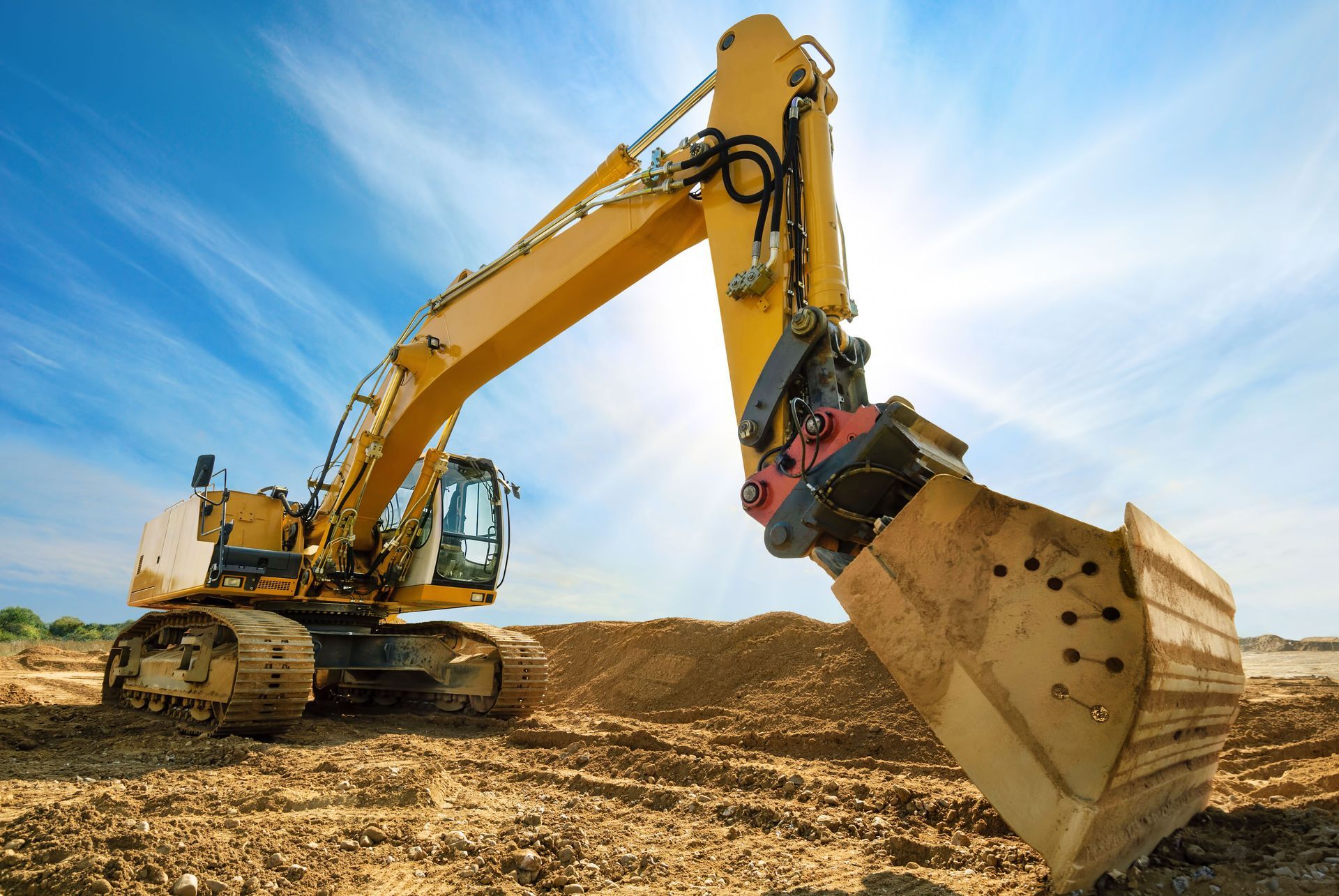
In the realm of modern engineering, few forces are as formidable or as indispensable as fluid power. When we observe the sheer strength of an excavator as it tears through solid earth or the precision of a crane lifting steel beams high above a city skyline, we are witnessing the triumph of a specific mechanical philosophy. This reliance on pressurized liquid to transmit energy has transformed the landscape of construction, agriculture, and manufacturing. Unlike mechanical systems that rely on complex gears and shafts, or electrical systems that may struggle with extreme environmental conditions, fluid-based systems offer a unique combination of immense force and delicate control. To keep these massive systems functioning at their peak, many industrial operations rely on specialized hydraulic power services to ensure every component remains sealed and pressurized.
The fundamental principle behind this technology is simple yet profound. Because liquids are nearly impossible to compress, any pressure applied at one point is transmitted equally throughout the entire fluid system. This allows for an incredible multiplication of force, enabling a relatively small pump to move thousands of pounds of weight with minimal effort. This efficiency is the reason why heavy machinery has become the backbone of global infrastructure. Without the ability to harness and direct this energy, the scale of our modern world would be significantly diminished. As we delve deeper into the mechanics of these systems, it becomes clear why professional oversight and high-quality hydraulic power services are vital for maintaining the safety and productivity of our most powerful tools.
Multiplying Mechanical Force
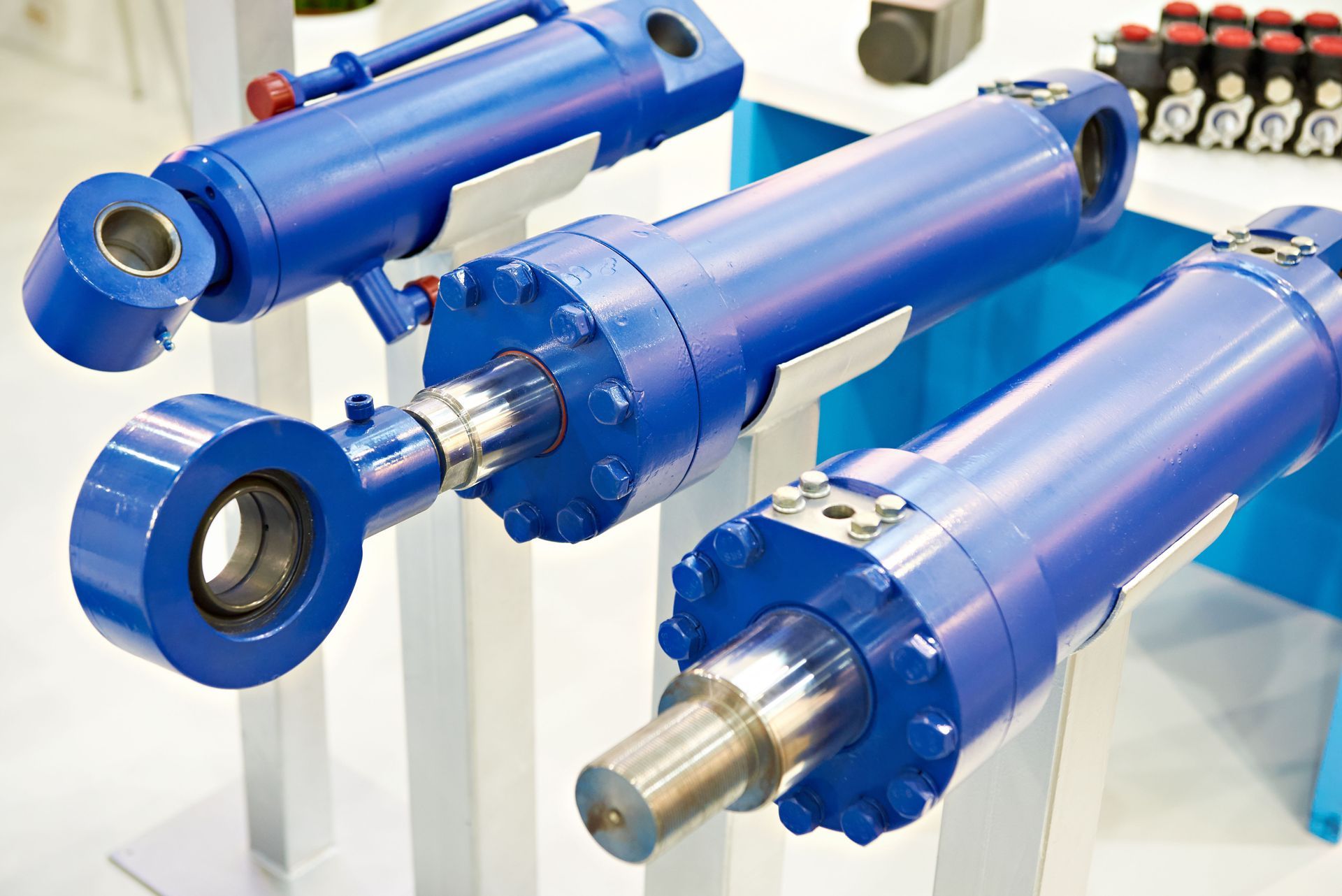
The primary reason fluid systems dominate the heavy equipment industry is their unparalleled ability to amplify power. In a typical mechanical setup, increasing force often requires larger gears or longer levers, which can become bulky and inefficient. In contrast, a fluid system uses pistons of varying sizes to create a mechanical advantage that is both compact and extremely potent. By pushing fluid through narrow hoses into a larger cylinder, a machine can generate the massive pressure needed to crush rock or lift locomotives. This density of power allows manufacturers to design machines that are smaller and more maneuverable while still possessing the strength of a giant.
Maintaining this advantage requires a system that is free of leaks and internal bypass issues. When pressure drops even slightly, the machine loses its ability to perform the heavy lifting for which it was designed. This is why regular inspections from reputable hydraulic power services are so important. These professionals ensure that the fluid remains at the correct viscosity and that the seals can withstand the incredible stresses placed upon them. When the force is multiplied correctly, the machine operates with a rhythmic ease that belies the thousands of pounds of pressure surging through its lines.
Controlling Precision Movements
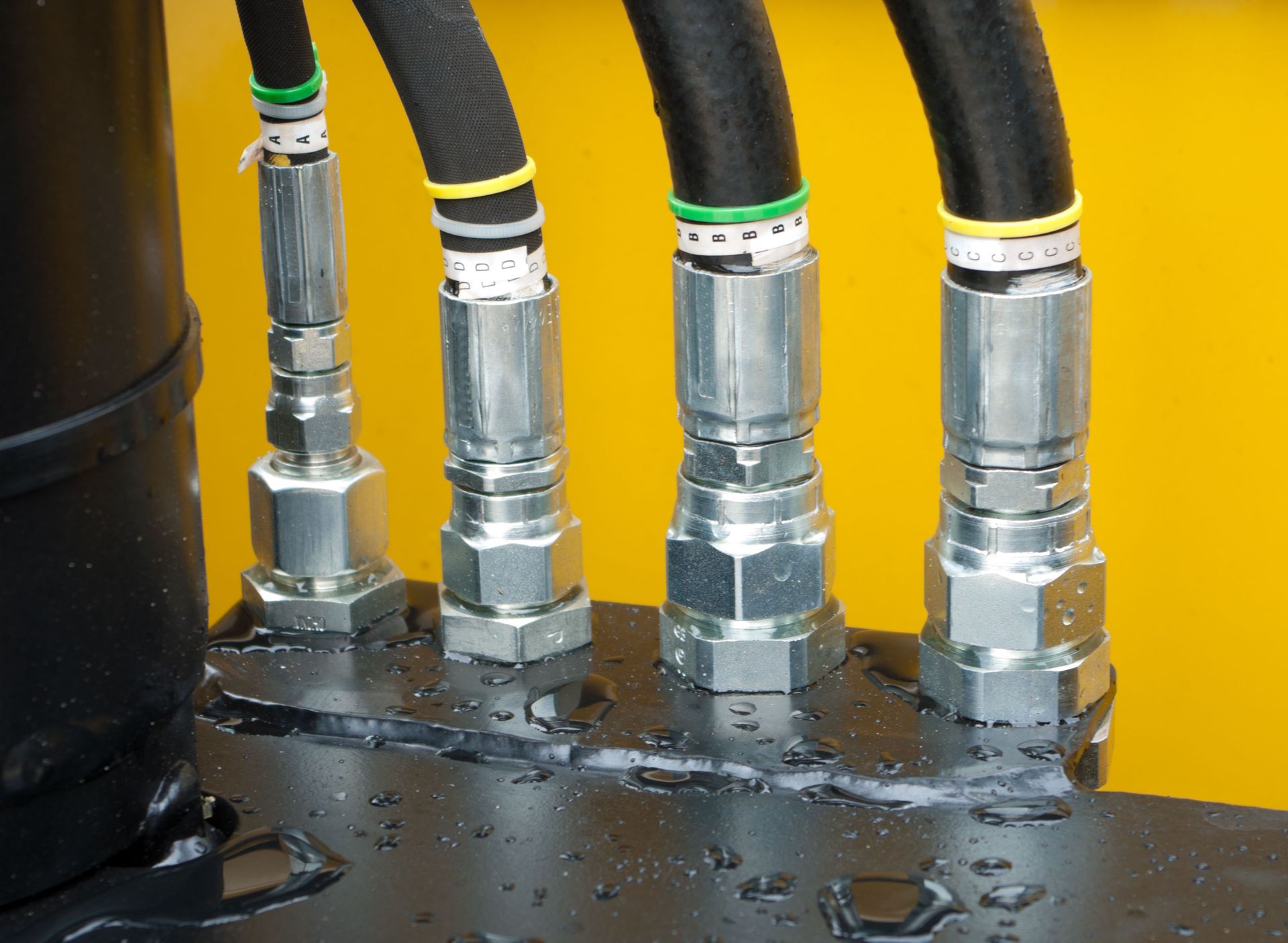
While raw strength is impressive, it is useless without the ability to direct it with accuracy. Fluid systems are celebrated for their exceptional control, allowing operators to move massive loads with millimeter precision. By using sophisticated valves to meter the flow of oil, a machine can transition from rapid movement to a slow, steady crawl instantaneously. This level of granularity is essential in delicate operations, such as placing a bridge section or digging near underground utilities. The operator can feel the responsiveness of the machine, as the fluid provides immediate feedback that electrical actuators often lack.
The smooth operation of these control valves is a masterpiece of engineering. However, contamination is the enemy of precision. Even microscopic particles of dust or metal can cause a valve to stick or wear prematurely, leading to jerky movements or total failure. Engaging with comprehensive hydraulic power services helps to implement filtration strategies that keep the lifeblood of the machine clean. When the fluid is pure and the valves are calibrated, the machine becomes an extension of the operator’s own hand, capable of both immense destruction and incredible finesse.
Adapting To Harsh Environments
Heavy machinery rarely works in pristine conditions. From the freezing tundra of northern mines to the scorching heat of desert construction sites, these machines must endure the worst the planet has to throw at them. Fluid systems are naturally resilient to these extremes. Because the oil also acts as a lubricant and a coolant, it helps to regulate the internal temperature of the components while protecting them from rust and corrosion. Furthermore, because the system is sealed, it is less susceptible to the dust, mud, and water that would quickly ruin an exposed mechanical drivetrain or an unshielded electrical motor.
This durability is a key driver for the industry’s growth across various continents. For example, according to Straits Research, North America is the second-largest region in the global hydraulic equipment market and is projected to reach $14,508 million by 2030, growing at an annual rate of 3.5% during the forecast period. This steady expansion highlights the continued trust that industrial leaders place in fluid power to get the job done in demanding climates. To sustain this growth, the industry relies on specialized hydraulic power services to provide weather-specific fluids and reinforced hosing that can survive the constant expansion and contraction caused by temperature fluctuations.
Reducing Mechanical Wear
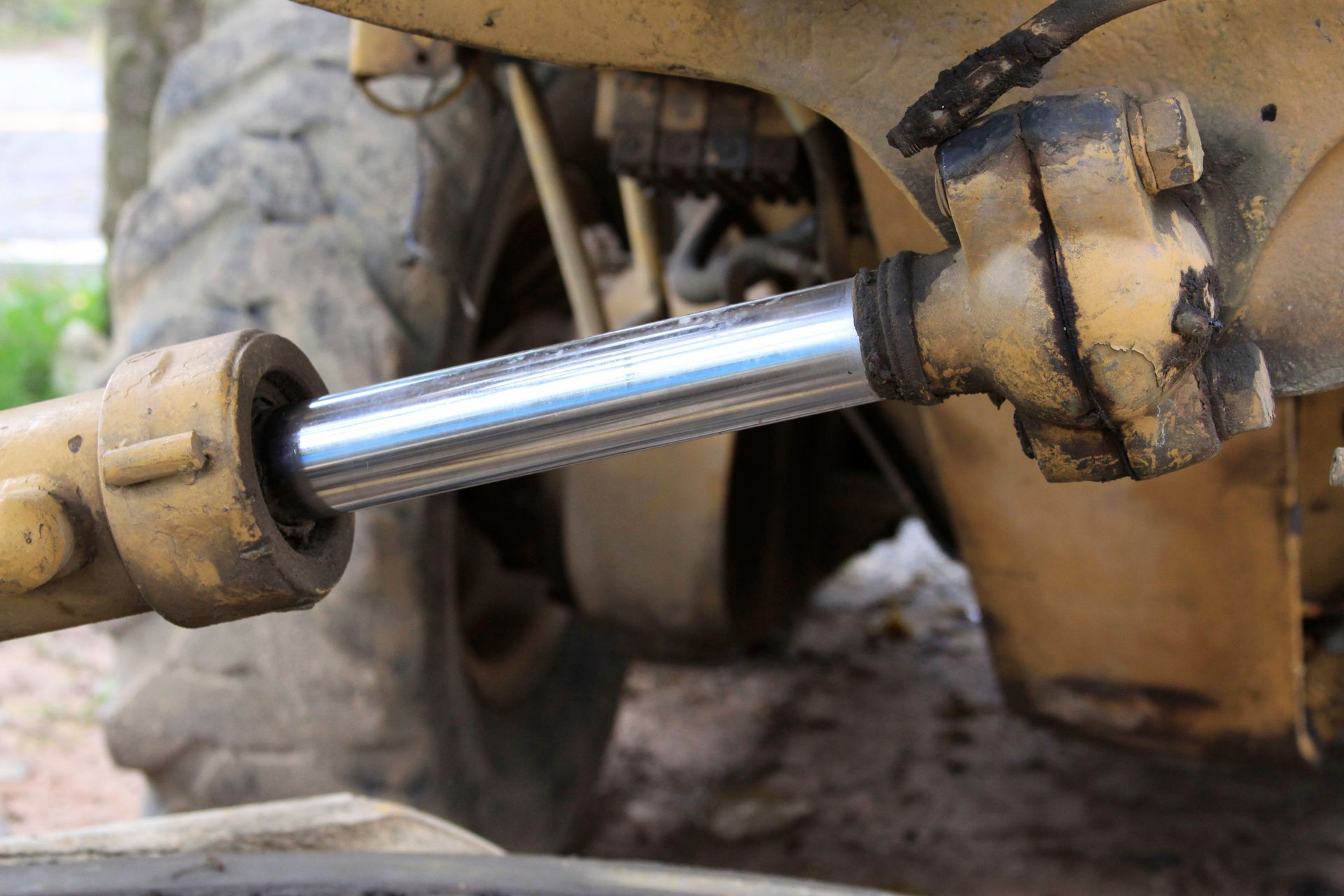
In traditional gear-driven machinery, metal-on-metal contact is a constant source of friction, heat, and eventual failure. Fluid systems significantly mitigate this issue by using the pressurized medium as a constant source of lubrication. As the oil moves through the pumps, motors, and cylinders, it creates a thin film that prevents components from grinding against one another. This inherent lubrication extends the lifespan of the equipment and reduces the frequency of major overhauls. By absorbing the shocks and vibrations of heavy work, the fluid also protects the structural frame of the machine from fatigue.
However, the protective qualities of the fluid can degrade over time due to heat and chemical breakdown. When the oil loses its lubricating properties, the risk of catastrophic mechanical failure increases. Proactive managers utilize hydraulic power services to conduct fluid analysis, which identifies signs of wear before they lead to a breakdown. By monitoring the health of the oil, companies can save substantial amounts of money on replacement parts and avoid the high costs of unplanned downtime.
The reliance of heavy machinery on fluid power is not merely a matter of tradition; it is a result of the unique physical advantages that liquids provide. The ability to multiply force, maintain precision, and survive the harshest conditions on Earth makes this technology the only logical choice for the world's most demanding tasks. However, the complexity and high pressures involved mean that these systems cannot be ignored. They require a dedicated approach to maintenance and a deep understanding of fluid dynamics to remain reliable.
As the industry continues to grow and evolve, the partnership between equipment owners and technical experts will become even more critical. Ensuring that your fleet is equipped with the latest in fluid technology and backed by rigorous maintenance protocols is the key to long-term success in any industrial endeavor. By prioritizing the health of your equipment today, you ensure the productivity of your operations for years to come. At Devine Hydraulics, Inc, we are committed to providing the technical expertise and reliable support necessary to keep your heavy machinery moving with strength and precision.



Share On: